


Author’s note
I am a cisgender, heterosexual female with privilege and bias. In this essay I am speaking through my heteronormative lens which is inherently flawed. I am trying to cultivate a space of love, acceptance and safety, but I am not part of the queer community. As much as I try to understand, their experiences are not my experiences. The only way to truly learn about queer experiences is to talk to queer individuals. Hearing their lived experience is essential to the work of allyship. Please, do the work to create a safe space for your LGBTQ+ loved ones.
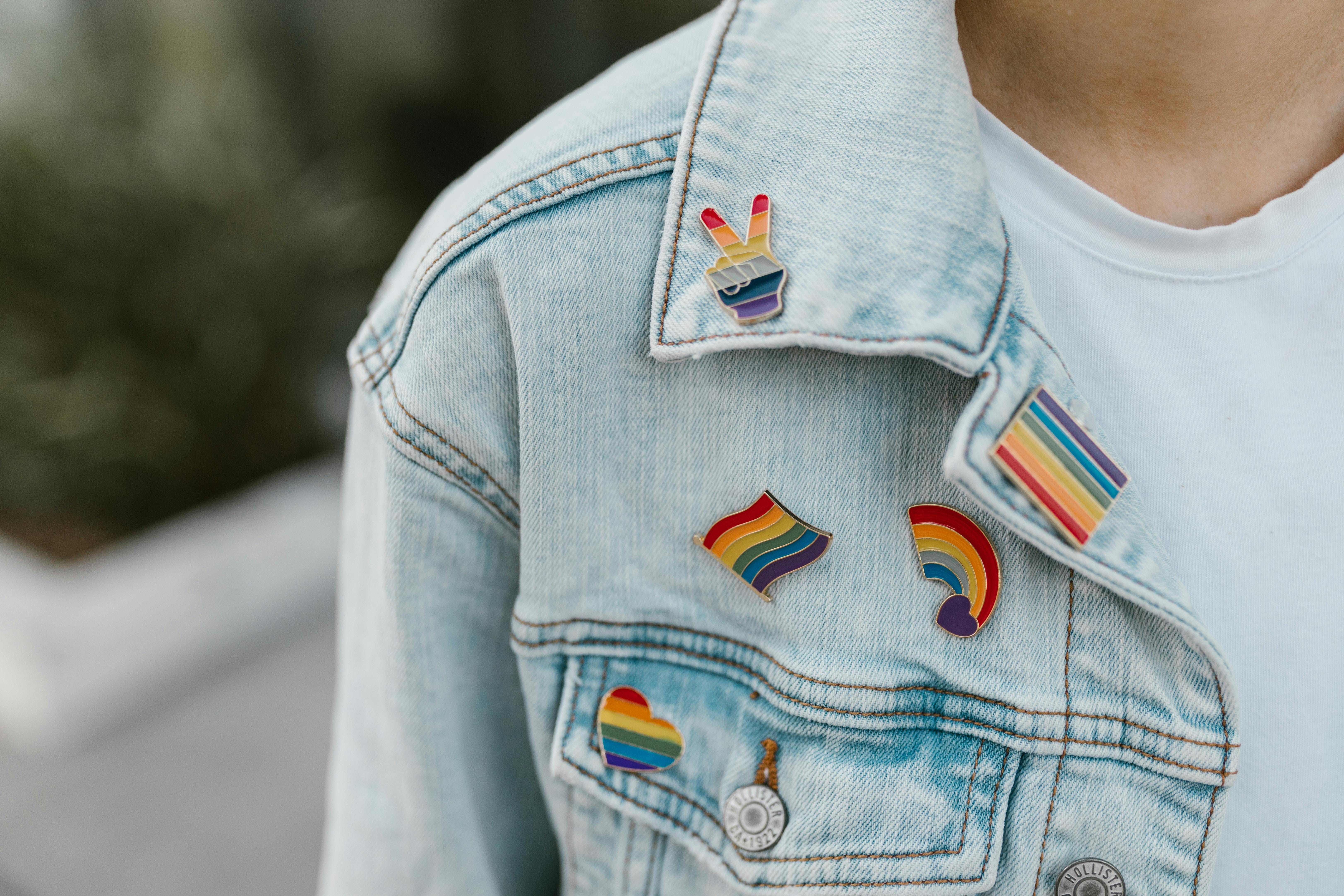
by Blakelee Ellis
TW: homophobia, suicide
In October 2019 President Dallin H. Oaks addressed the
women of the church during the women’s session of general conference. I was at a stake center with several of my sisters-in-law and my mother-in-law and I just couldn’t stop crying. President Oaks greeted the sisters as a “divinely assigned guardian of the eternal family,” and talked about the implications the doctrine of eternal marriage has for LGBTQ+ individuals. He said,
The work of The Church of Jesus Christ of Latter-day Saints is ultimately concerned with preparing the children of God for the celestial kingdom, and most particularly for its highest glory, exaltation or eternal life. That highest destiny is possible only through marriage for eternity…
…That is the destiny we desire for all we love. Because of that love, we cannot let our love supersede the commandments and the plan and work of God, which we know will bring those we love their greatest happiness.
But there are many we love, including some who have the restored gospel, who do not believe in or choose not to follow God’s commandments about marriage and the law of chastity. What about them?
God’s doctrine shows that all of us are His children and that He has created us to have joy. Modern revelation teaches that God has provided a plan for a mortal experience in which all can choose obedience to seek His highest blessings or make choices that lead to one of the less glorious kingdoms.
I went home after the session and sobbed to my husband. He was admittedly confused because these topics had never generated such angst in me before. In the decade we had been married, I had always accepted my siblings, but “known” that they were not living the way God wanted them to and there would be eternal consequences. So this meltdown over what President Oaks had said was very uncharacteristic for me. As I cried, I distinctly remember asking my husband, “You believe all this is true, right? This church. You think it’s true, right? Because my heart is broken and it doesn’t feel true.”
President Oaks hadn’t said anything new about the LGBTQ+ community or eternal marriage or the law of chastity. Nothing about the doctrine had changed, but my heart had.
I had just been a part of my sister’s wedding to her wife a few weeks earlier. I stood by while they pledged to love and care for each other and it didn’t seem any less godly or sacred just because it was two women. How could someone as loving, as kind, as caring as my sister receive less of God’s glory simply because she loved a woman instead of a man? Did I really believe in a Heavenly Father that would withhold love, the greatest of happiness, all his glory because two women loved each other?
The metaphorical shelf that held all of my questions about the church and it’s teachings broke and my soul was left agonizing in the rubble. It marked the beginning of so many hours examining my beliefs about the nature of God and everything I thought I knew. I had let church leaders and doctrine form my opinions about God’s plan for LGBTQ+ individuals. I listened while these white, cisgender, heterosexual men told me about the queer community and how God felt about them. Just like I listened while they told me what it meant to be a woman of God.
Everything changed for me when I stopped being told ABOUT the queer community and started actually listening TO the queer community.
I listened while brave individuals talked about reconciling their sexuality with their own beliefs in God and what it meant to be queer. It changed me. Rather than try to tell you ABOUT what some of the queer community has said, I’d encourage you to listen TO the queer community.
Looking for a place to start? Check out our own episodes with Meghan Decker and Colette Dalton. Don’t miss all the additional resources listed at the end of the essay.

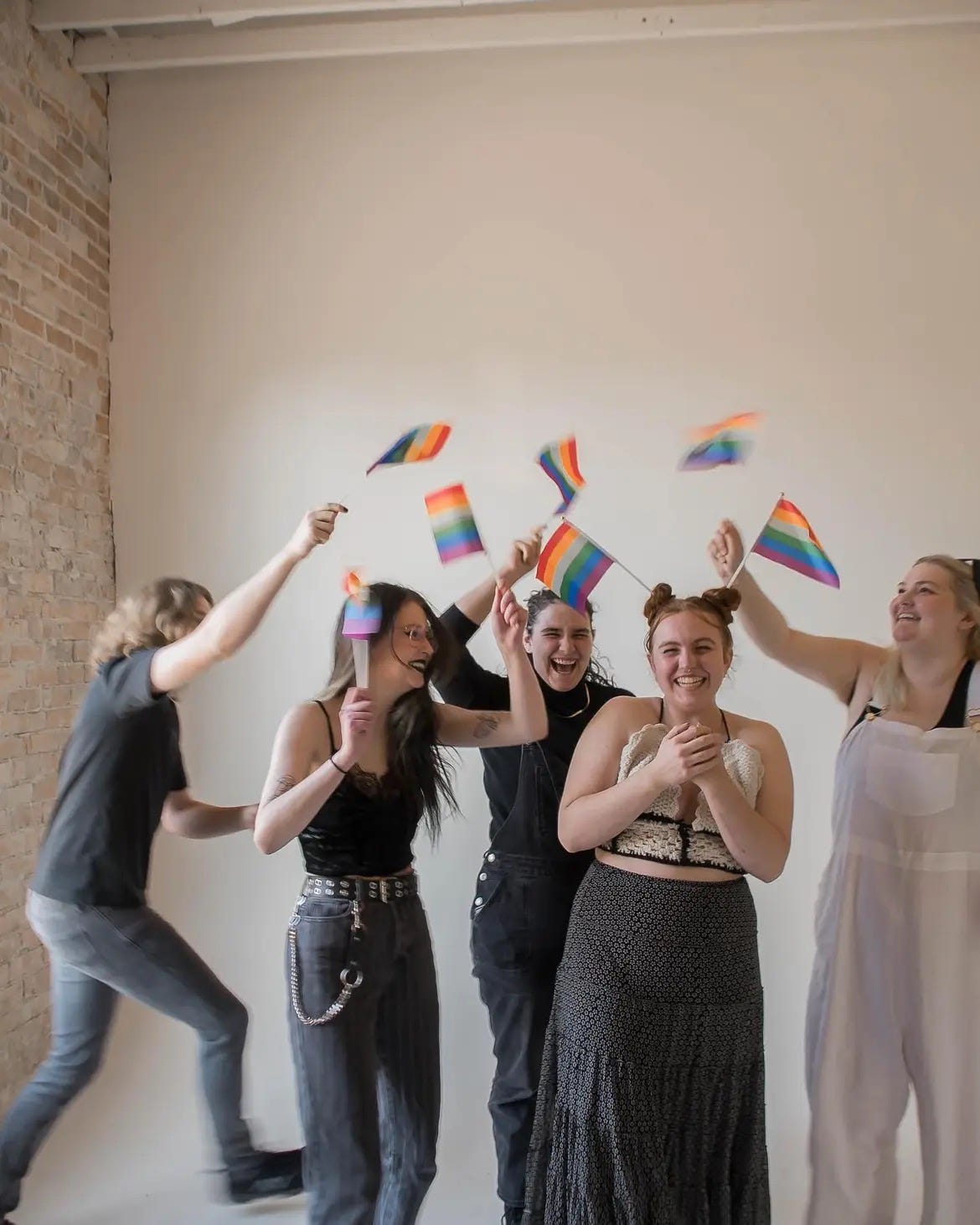
June is Pride month for the LGBTQ+ community and many wonder why the queer community needs a month dedicated to celebration and pride. Ben Schilaty, my friend and openly gay Latter-day Saint, recently said this:
“Pride to me is the opposite of shame. Pride is synonymous with self respect, with dignity, with honor like being proud of myself for a job well done…I know what it’s like to feel so much shame, to feel like the world would be better if I didn’t exist and to think that it would be better if I were dead than gay… There is a whole community of people who have felt the same thing. Who have once lived in shame, who felt maybe it would be better if they disappeared, but now want to live thriving, happy, long lives. That change from shame to self respect, to honor, to pride is something worth celebrating.”
Even though I am not queer, I’ve had my own pride awakening.
Pride that I have a gay brother and gay sister.
Pride that I know that God loves them as they are.
Pride that I am an ally.
Pride that I will navigate the uncomfortable space that being a member and being an ally creates.
Since my faith deconstruction, one of the main reasons I continue to go to church is my pride and queer allyship. I wear rainbow pins so the closeted adults in my ward know I’m a safe space. I carry a rainbow bag every week so the youth know there is someone at church that supports them just as they are. I wear a rainbow dress to church to let everyone know that we have to fight for and with our queer loved ones to dismantle systems of oppression. Queer folks are tired! They need allies to help share this load, but not steal the microphone.
I believe allyship is a divine calling and in the current political climate, it is important to be vocal about our support for the LGBTQ+ community, especially at our places of worship. This past Sunday, in his weekly email, Into The Gray, Reverend Benjamin Cremer wrote:
“…We have witnessed many corners of Christianity in the United States express, support, and condone so many things that are deeply contrary to this nature of God. Things like blatant misinformation and lies. Demonizing and dehumanizing immigrants, Palestinians, Muslims, and political opponents. Sexism and misogyny. Greed and arrogance. Racism and historical whitewashing. Religious bigotry, jingoism, and nationalism. One of the most grievous things about this dynamic is that when those who claim to follow Jesus express, minimize, justify, and even support these things, they are telling the world that this is who they believe God to be too. That is the image of God they are presenting to the world and that is the only image of God some in our world will ever see.”
I believe the nature of God is one of deep love and grace. Listening to the queer community helped me, in part, form that belief. That is the image of God I believe we, as Latter-day Saint allies, need to reflect to the world and specifically to our fellow church members. Current church doctrine and policies continue to alienate and wound our queer church members, particularly those in the transgender community.
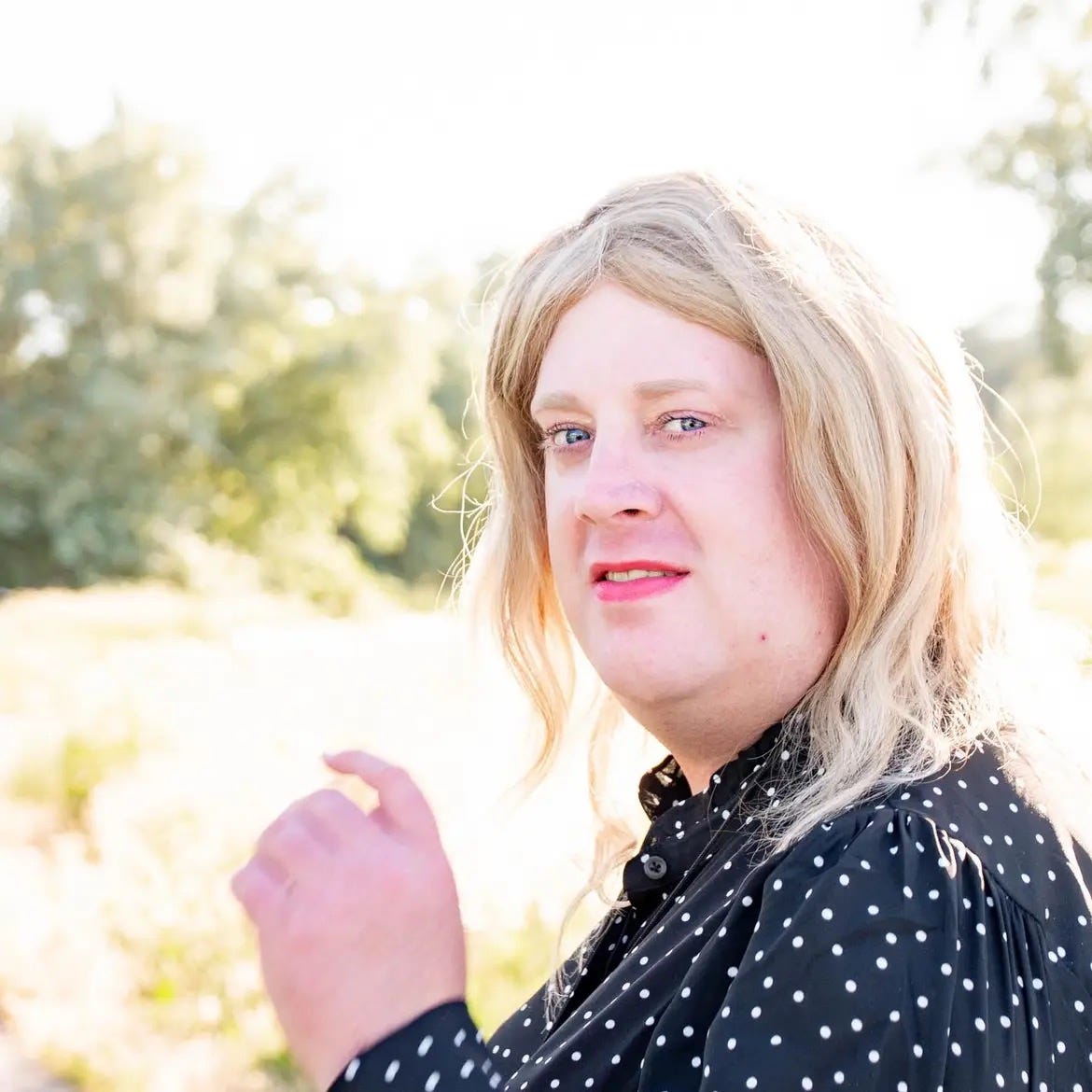
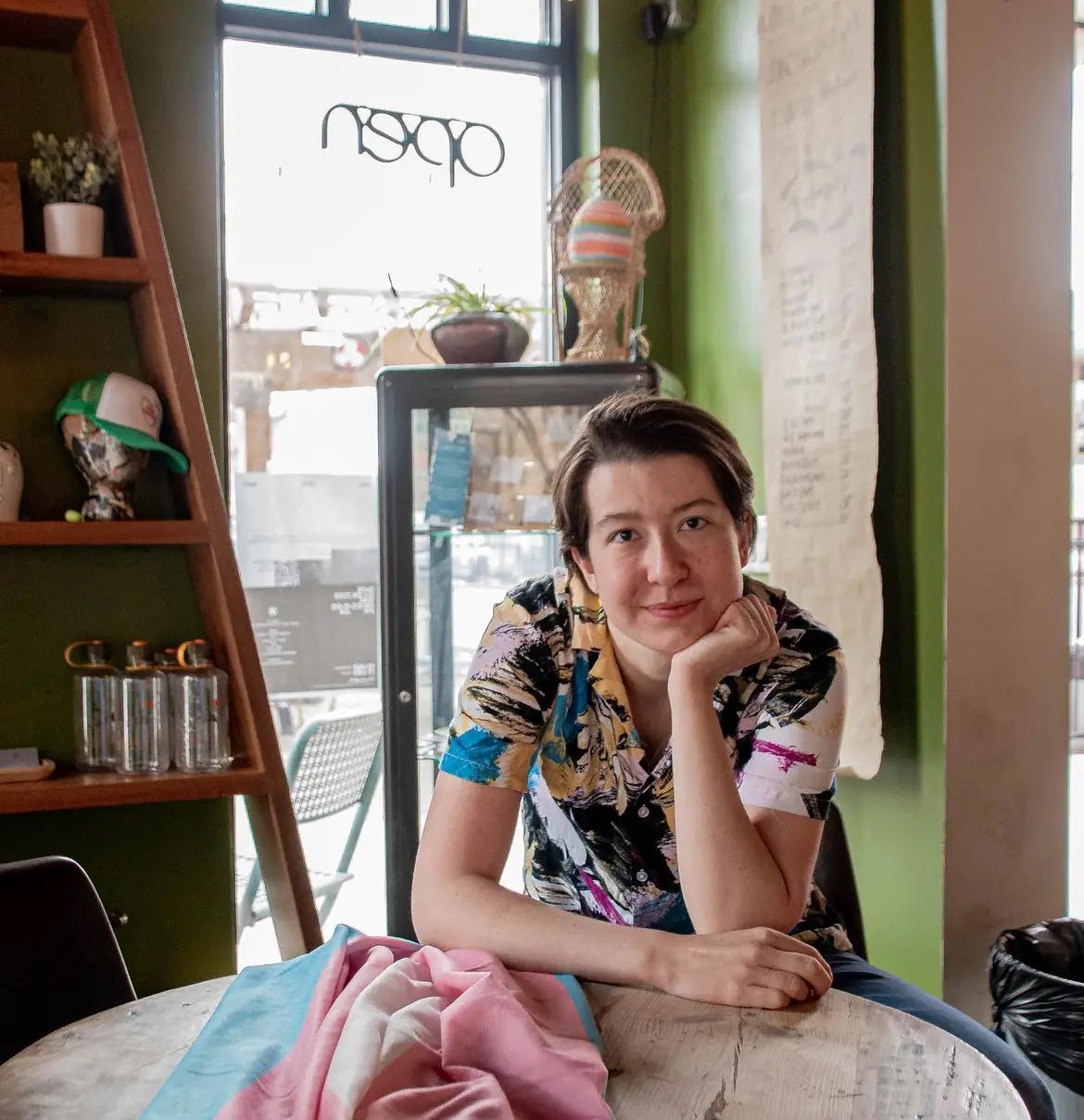
“What I would say to those sitting in the pews is that transgender Saints are wanting community just as much as anyone in church. They are looking to be loved and accepted even if their families have outcast them. Follow the example of Jesus that we read about in the New Testament. Jesus was always seeking out those that were outcast and alone.”
In Jeremiah 23, there is a sobering echo of how the church treats its queer members:
1 Woe to the shepherds who are destroying and scattering the sheep of my pasture!” declares the Lord.
2 Therefore this is what the Lord, the God of Israel, says to the shepherds who tend my people: “Because you have scattered my flock and driven them away and have not bestowed care on them, I will bestow punishment on you for the evil you have done,” declares the Lord.
In 2016, “Dialogue Journal” published research that suggested that suicide rates among Utah teens doubled corresponding to an increased rhetoric by the LDS church against same sex marriage. The church’s increased media focus against same sex marriage came after policy changes were released in November 2015. The same article says that there are protective effects against suicide when people belong to a religious community and it’s no secret that LGBTQ+ people leave the church or are invited to leave at very high rates.
“It can thus be inferred that LGBTQ people are placed at higher risk when they feel unwelcome in their religious communities and end up losing the protection of religious involvement…it may seem counterintuitive that when individuals chose to leave their religion in order to experience more self-acceptance that they inadvertently experience more risk for suicide.”
I will acknowledge that individual views of the members and church culture are ever changing. This research is a decade old and perhaps the research would show something different now.
We are failing the LGBTQ+ community. They are leaving. They are dying. In a moment of tender vulnerability, queer member Charlie Bird said, “You are killing us.” We must do better. Christ is asking us to do better. Christ reached out to the marginalized and misunderstood. He gave them safety and community. Again, in Jeremiah:
3 I myself will gather the remnant of my flock out of all the countries where I have driven them and will bring them back to their pasture, where they will be fruitful and increase in number.
4 I will place shepherds over them who will tend them, and they will no longer be afraid or terrified, nor will any be missing,” declares the Lord.
I believe God—through us, through allyship—is the answer. Our queer members have much they can teach us about Christ-like love, acceptance, and patience. They are forced to cultivate these things within themselves simply because of who they are and the world they live in. The queer community has so much to teach us and we are missing out on their unique understanding of divine love. Jess Payne, creator and owner of Terra and Sage, once told me:
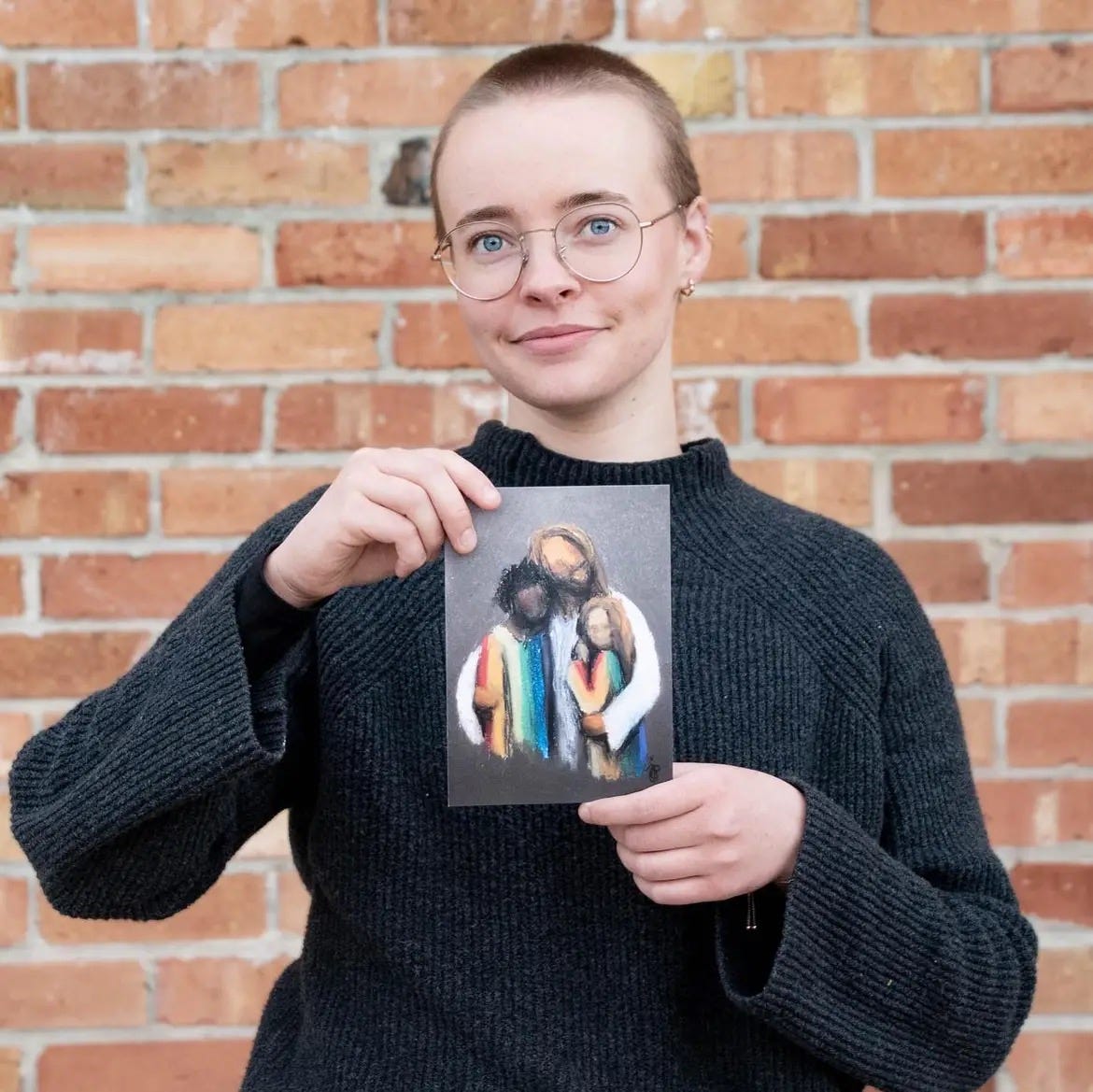
“Being gay is a beautiful part of me; it reminds me not to assume things about people, to be curious about their stories, and to treat them in ways that affirm their dignity and worth.”

We will be tempted to ask, “How can I keep my queer loved ones in the church?” However, I think a more loving and appropriate question to ask is, “Is it safe for my queer loved ones to stay in the church?” For the queer loved ones in my life, the current church environment is not safe for them. I am being my best as an ally when I understand and help them enforce their boundaries. We miss the mark in forcing our loved ones OR ourselves into emotionally, and sometimes physically, unsafe places. Church is not for everyone.
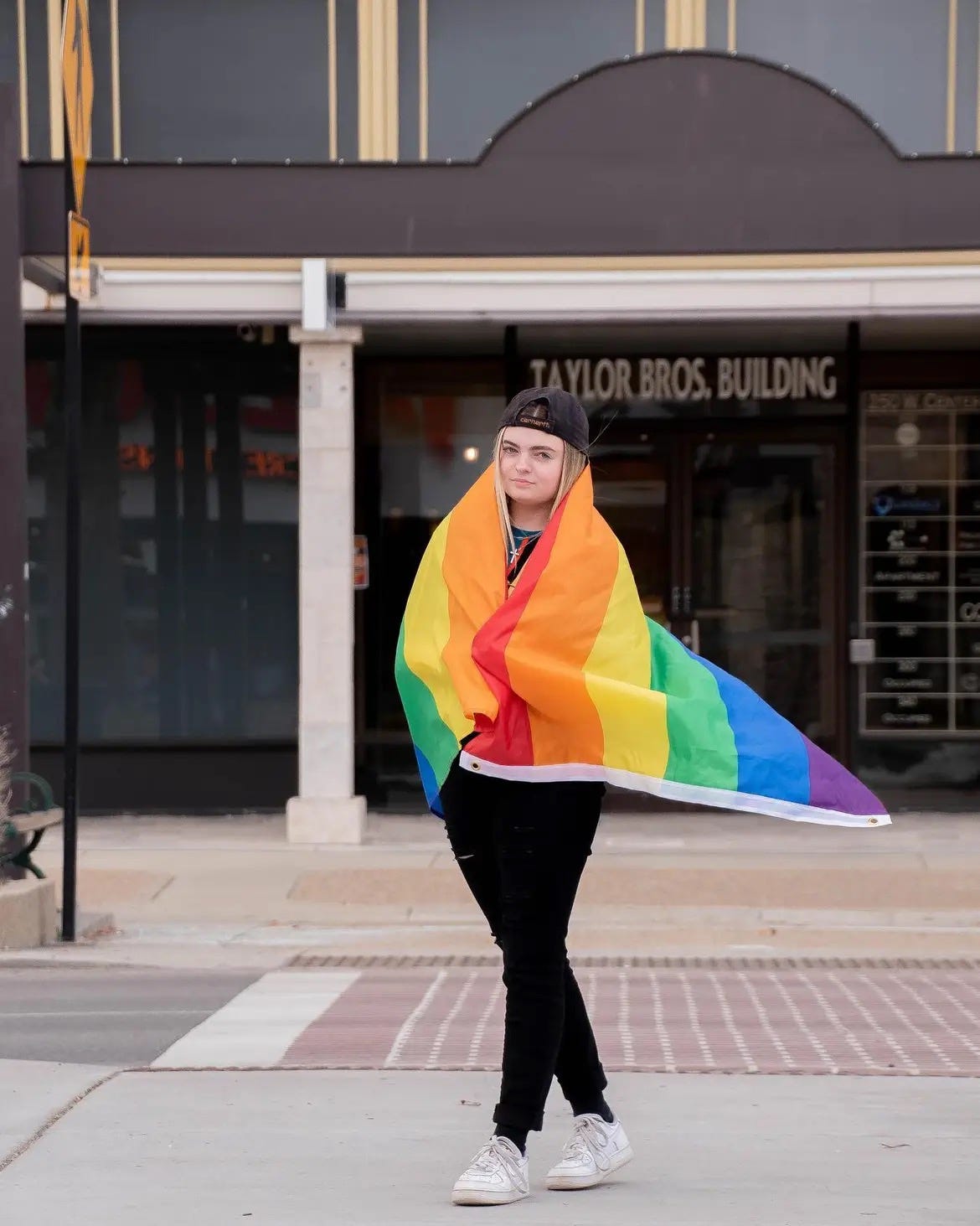
“To be queer is to be a trailer blazer, forging your own path through a world that can be narrow-minded and unwelcoming. It’s about rejecting labels and embracing your unique authentic self, even when society tries to mold you into something else. “
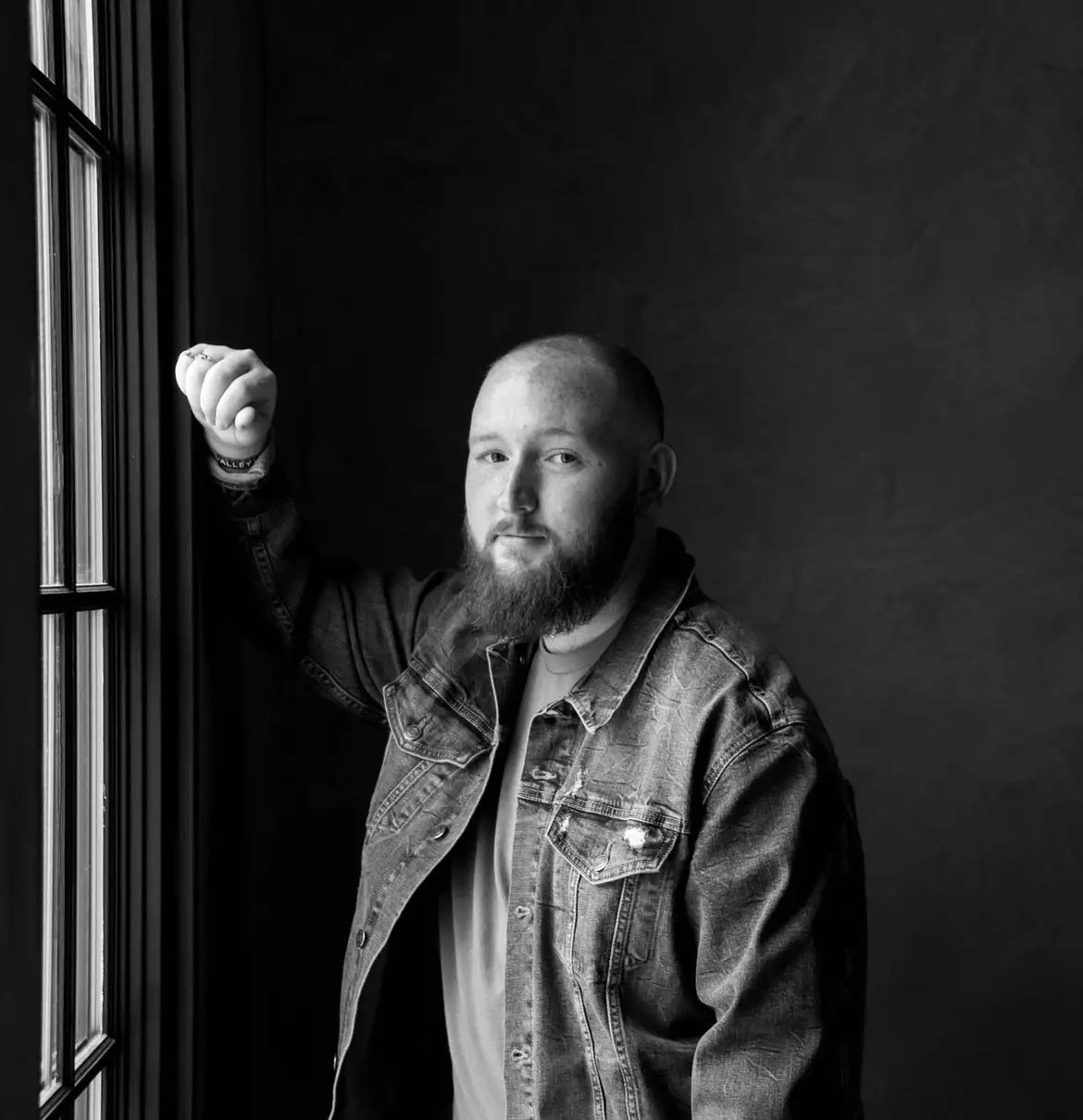
“I spent a lot of my life hating myself and trying to fit into a box that wasn’t meant for me. This only led to anxiety, depression and suicidal ideation. I found that trying to be someone who I wasn’t was causing major turmoil in my life. I decided that I had to be the master of my fate and make a change.”

While not all queer members will stay in the church, I believe Christ is asking us to cultivate safe places of worship for everyone. We do this best when we are a loving witness to one another’s stories. We do not need to fix or rescue anything or anyone. We do not need to judge or control or coerce anything. If you are unsure of how to create a safe space in your own church, Ben wrote a recent blog post with great advice:
“There is a simple thing that anyone can do to decrease the shame and rejection LGBTQ Latter-day Saints feel.
Talk about us.
…here’s my invitation. When you share a story in a talk or a Sunday School comment about faith or prayer or hope or any other gospel principle, please include a story about an LGBTQ person when you feel inspired to do so. And if you don’t know any stories like that, there are books and podcasts and friends and neighbors galore you could learn from.
…there are people in your ward who will be buoyed up if you share a story about someone like them.
So talk about us.
Our stories matter. Your story matters. And I want to learn your story and talk about you too.”
If you really want to be an ally, go learn about LGBTQ+ members and talk to THEM. Ask your loved ones, “Can you tell me a bit more about what that has been like for you?” You’ll be amazed at what you can learn and how you can grow.
You’ll be amazed at the safety you can provide.
In Memoriam
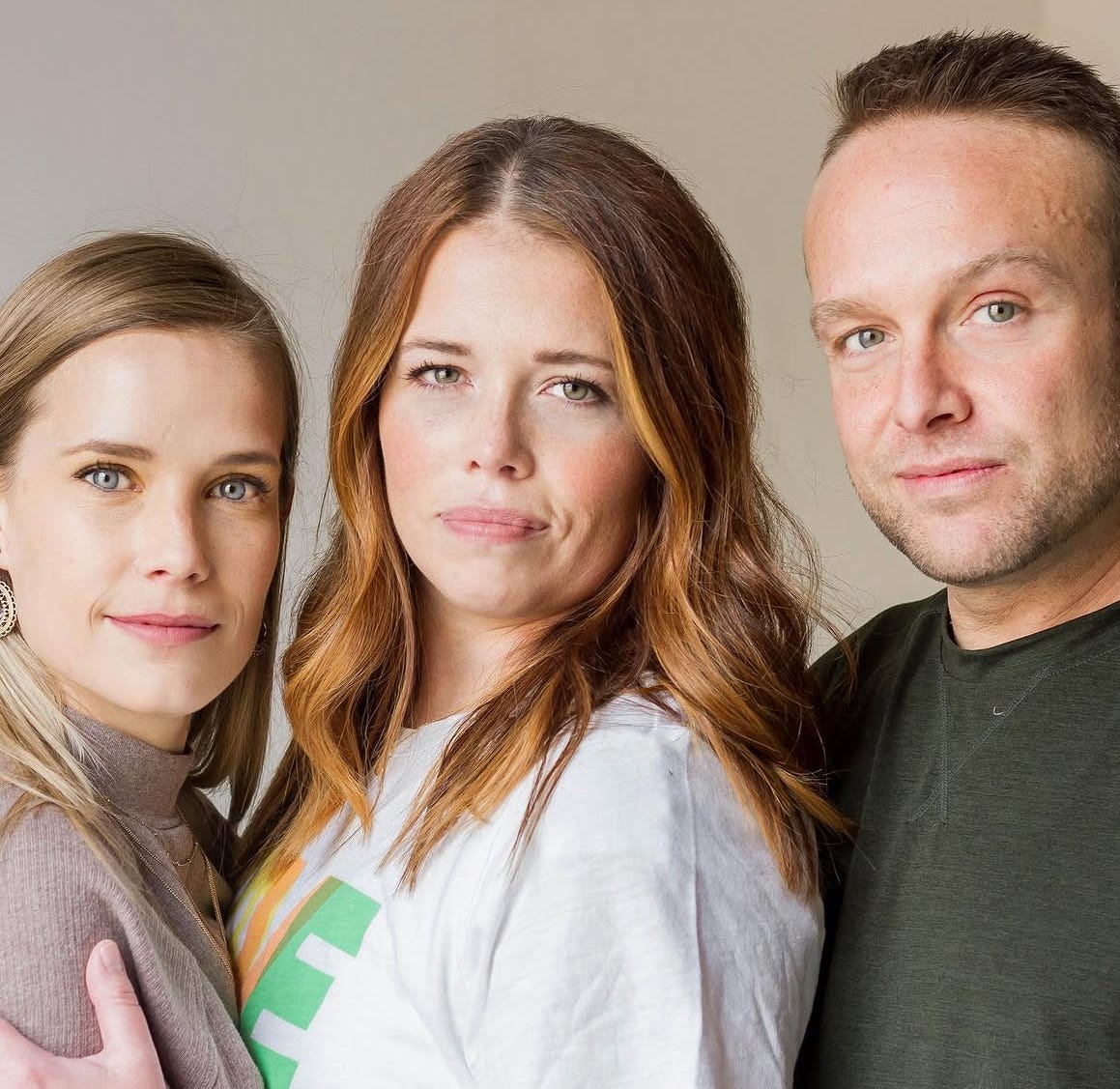
This issue is dedicated to my friend, Care Hansen, who died by suicide in 2023.

Care, thank you for your example of boundless love and tenacity.
Want to learn more? Here are some of the author’s favorite resources to start (or continue) on your allyship journey:
1- Tender Leaves of Hope: Finding Belonging as LGBTQ Latter Day Saint Women by Meghan Decker
2- Queer Mormon Theology by Blaire Ostler
3- A Walk in My Shoes: Questions I’m Often Asked as a Gay Latter Day Saint by Ben Schilaty
4- Without the Mask: Coming Out and Coming into God’s Light by Charlie Bird
5- Tabernacles of Clay: Sexuality and Gender in Modern Mormonism by Taylor Petrey
6- Gay Rights and the Mormon Church: Intended Actions, Unintended Consequences by Greg Prince
7- Listen, Learn, and Love: Embracing LGBTQ Latter Day Saints by Richard Ostler
8- That We May Be One: A Gay Mormon’s Perspective on Faith and Family by Thomas Christofferson
Need an audio format? These podcasts are great:
1- All Out In the Open (formally Questions from the Closet) by Ben Schilaty and Charlie Bird
2- Lift and Love by Allison Dayton
3- Listen, Learn and Love by Richard Ostler
4- Called to Queer by Collene Dalton and Kate Mower
Want to lend support? Here are some great organizations that are mostly Utah based:
4- Encircle
The ALSSI community keeps growing, thanks to your support. Please keep spreading the word! Be sure to check out our chat community—a benefit of your paid subscription. If you have something to say, send us a voicemail, start a thread…or send us a piece for a future Say More!