



The God I Don’t Know
by Erin Gong
For most of my life, I had a fairly simple picture of what
a relationship with God was supposed to look like. If I sincerely sought Him through prayer, scripture study, temple worship, obedience, and sacrifice, He would respond. Maybe not exactly how I wanted, but in ways I would recognize. Peace. Guidance. Comfort. Direction. A sense that Someone was on the other end of the conversation.
As a teenager and into my twenties, I built my life around that expectation. I read my scriptures every day. I prayed. I accepted callings. I paid generous fast offerings. I read General Conference talks and filled notebooks with impressions. And the formula seemed to work. Decisions worked out for my good. Unexpected opportunities appeared. Sometimes I felt prompted toward a particular conversation or choice. Other times I felt nourished or reassured.
One semester at BYU, I took a seminary teacher training course. We learned to identify if/then statements in the scriptures. There was even a name for them: principles packaged for application.
I loved it.
If I do this, God will do that. That was a world I understood.
After graduating, my husband began graduate school and we moved across the country. I was accepted into a graduate program myself, but decided I would only attend if I could find a teaching or research position that would cover tuition. Otherwise, I couldn’t justify taking on debt for a degree I wasn’t sure I’d use.
I applied everywhere and heard nothing. A few weeks before classes started, we doubled our fast offerings. Not because I thought I could bargain with God, but because I believed sacrifice invited blessings, even if those blessings arrived in an unexpected form.
A week later, I was offered a teaching position that paid my tuition, included health insurance, and came with a generous stipend.
It was all working.
I finished school. I found meaningful work. We had three children. We moved again for my husband’s career. Through all of it, I kept expecting God to respond.
Then, somewhere along the way, He stopped. Or at least, it felt that way.
There wasn’t a single moment, but there’s one memory that captures what began happening inside me. I was driving our 1999 Toyota Corolla after dropping our three young children off at preschool. I was headed home to squeeze in a few hours of consulting work before pickup. Life was busy and full and lonely. I started crying. Then I started praying. Sobbing out words that became louder and angrier in the empty car.
Are you there?
I wasn’t asking about doctrine. I wasn’t asking for guidance. I simply wanted to know I wasn’t alone. When the tears subsided, I listened.
Nothing.
I turned onto my street.
Nothing.
I pulled into the driveway and sat for another minute in the silent cocoon of our beat-up Corolla, the one with only a single working door handle.
Nothing.
Eventually I got out of the car and went inside. I needed to start my work day.
My faith didn’t collapse that day. I kept praying. I kept participating. I told myself that silence was God’s way of saying, You’ve got this.
But something had shifted. Sometimes I wondered if I simply wasn’t doing enough. Maybe I needed to read more scriptures. Maybe I needed to pray with more faith. Maybe I needed to attend the temple more consistently.
But I didn’t. Instead, I started setting some of those things down.
After reading Isaiah’s description of fasting, I stopped going without food and instead served meals at the homeless shelter. Walking out afterward, I felt as spiritually nourished as I used to feel leaving the temple.
I stopped assuming that scripture study was the best place to encounter truth and replaced it with reading other religious thinkers.
I reconsidered my relationship with temple garments and found greater ease in my own body, a healthier relationship with my sexuality, and a growing sense of integrity.
I gave myself permission to skip Relief Society when I believed I would leave more discouraged than inspired.
As these changes accumulated, the God I had once known seemed to grow quieter still. And yet every few years, something would happen that felt outside of myself, that I couldn’t quite explain.
Once, after an argument with my husband, I realized I didn’t want to stop being angry. The only honest prayer I could offer was to ask that I would want to stop feeding the anger. And it loosened, almost immediately, like pulling a thorn from beneath the skin. The wound was still there, but something had been released. It was a gift.
Another time, I was holding onto a resentment that I just couldn’t get over, to the point of dreaming about hurting a particular person. I woke up with a voice in my head saying Stop it with a moral authority that was different from my own inner voice. It forced me to see I was not standing on the moral high ground I thought I was, and I finally let the resentment go.
These moments don’t happen when I ask for them, when I’ve earned them, when I need them most. They simply happen. And they feel real. But I don’t know how to build a relationship on experiences that arrive unpredictably. My own children, now teens, have pushed me on this more than anyone.
“I’ve prayed, Mom, and I feel nothing. So God isn’t real.”
I don’t know what to tell them. I reach for answers I no longer believe. I don’t know what I wish someone had told me. I turn my frustration back towards God.
This one’s on You.
The old answers still call to me: Read your scriptures every day. Pray more. Attend the temple more often. Follow the prophet. Sometimes I wonder whether returning to those practices would bring back the God I used to know. The God I still want.
But I don’t want to go back. I like who I’ve become. More thoughtful. More compassionate. More willing to own my decisions.
It would almost be easier if I could conclude that God was never there at all. That all of those experiences were simply the story of a young woman growing into herself. But then I remember the anger that loosened like a thorn being pulled out, or waking with the words Stop it echoing in my mind.
If one of my children came to me asking for connection, I know I wouldn’t parent this way. I don’t know what to make of a God who apparently does.
But tomorrow morning, I’ll get up, make breakfast, go to work, try to love my family, and somewhere underneath all of that, I’ll still find myself listening.
Just in case.


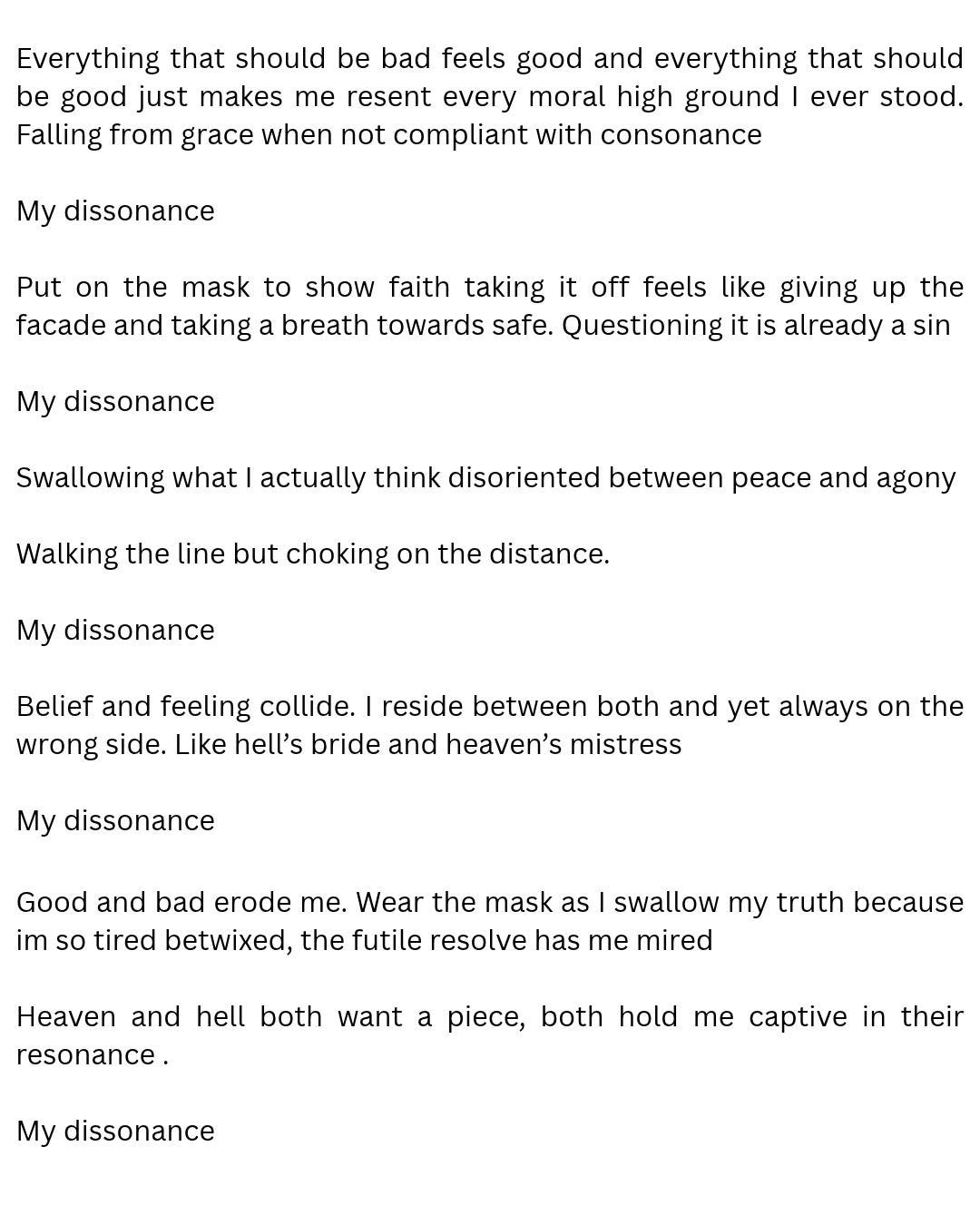
Dissonance
by Carly Carter

A Grandmother’s Blessing
by Angela Delgado
We went to my granddaughter’s baby blessing at
her paternal grandparents’ house. Generally Mormon baby blessings are performed during the Sunday worship service. However, my daughter and her husband had gotten special permission to bless the baby at home because they were visiting from out of town. Both sets of grandparents and one set of great grandparents live in the same area and would be able to attend. My husband and I arrived early to make sure that we had time to hold the baby and chat with my son-in-law’s family before the blessing. The Bishop arrived soon after, and then the great grandparents. All of the men joined in the blessing—her father, the Bishop, both grandfathers, and one of her great grandfathers. They held her gently, but since she is almost six months old, she squirmed and wiggled the whole time. I don’t remember the blessing, and it was nice, but there was no mention of my daughter, her mother. I have watched my son-in-law take care of his daughter very tenderly, and I have great respect for him. I’m certain that my granddaughter will appoint him the “favorite parent” as soon as she grows old enough just as my daughters did. But I felt a sense of disappointment surrounding the blessing, and I remember very clearly pushing down the uncomfortable feeling that women in the church are unseen, unheard, and not appreciated for the very real work of salvation they are involved in.
I looked at my daughter, whose body still carries the evidence of the last year-and-a-half of her life growing, birthing, and feeding this baby, and while I was proud of her for embracing motherhood so well, I felt sad for her. Women should be allowed to at least hold their babies during the blessing. They should be allowed to choose the circle of women who hold the baby while she gives a blessing. Perhaps the father should be involved too. Maybe it should be a circle of both men and women of their choosing. But it’s not even a thought. What would it be like, as well, if the other women in the room, wise women who have raised children, had the opportunity to give her a blessing? It seems like such a lost opportunity of experience and maternal wisdom.
So when they came to our house to stay the next week, we were able to do some things together. One morning we went to an aviary. The four of us wandered among the birds, trying to point out fun things about them to my granddaughter. Her interest would occasionally drift to some of the birds if they were flying or cawing, but her gaze was generally on the faces of the familiar people who love her and take care of her.
At one point, we got to an exhibit in the aviary that doesn’t allow strollers. Rather than take her out of the stroller, I volunteered to stay outside until they had walked through the exhibit. Although the day was already getting hot, there was a canopy of trees overhead that made a cooling shade. There was an empty bench and no one else was around. In the quiet, I sat down in front of my granddaughter and was going to entertain her with a song, when I had an idea. I would give her a blessing. It wouldn’t be official. It wouldn’t be recorded. I wouldn’t start with a prayer, and there were no men with priesthood power around. It would be a Grandmother’s blessing.
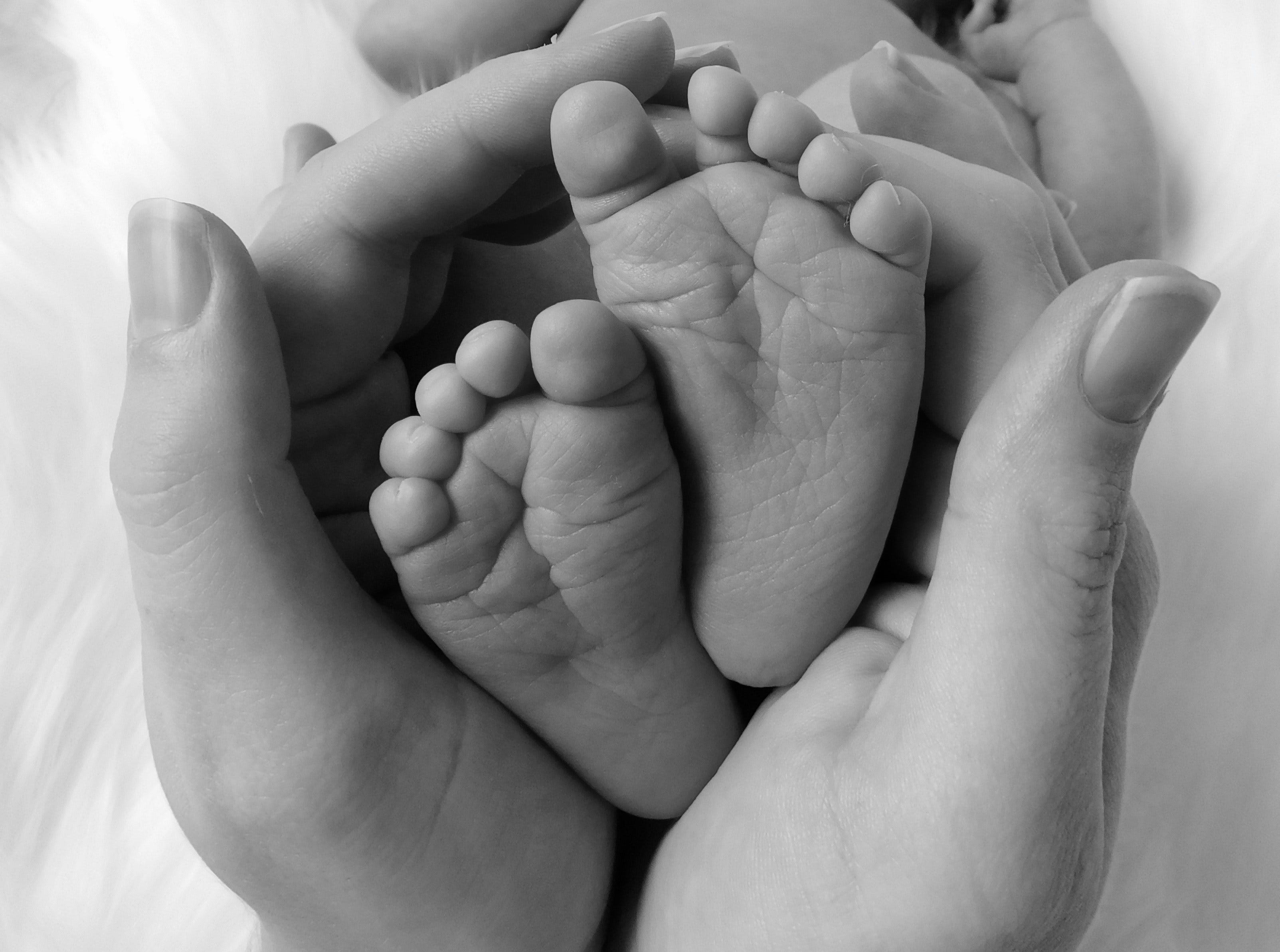
As I sat in front of my granddaughter, I looked into her eyes and gently held her feet. I blessed her with the words that came to my mind. They were clear and simple. I spoke my hopes and dreams for her. I blessed her with gifts and talents. It wasn’t a long blessing, but the stillness in her eyes told me everything I needed to know. I closed the blessing in the name of our Mother, the Creator of us all, and said ‘Amen.’ After that, I paused for a long time. I felt like I had been a part of a small, sacred miracle below the canopy of trees.


From a listener:
Dear ALSSI,
Thank you for providing this platform that gives a voice to many women to connect with their experiences. It has helped me to hear the stories of others and so I share mine for not only my healing journey, but because I want to join my link to the other stories in this chain.
My faith deconstruction journey started when my eldest was about to turn 8, which was about 5 years ago now. I had felt the weight of the “covenant path” language pushing heavier and heavier on me just before my son was to turn 8; the April 2021 general conference session seemed to ramp up the usage of the phrase. I was a strict attending ‘all-in’ Mormon but grew up in a nuanced home with a dad who converted while I was in high school, and a mom that left the church almost right after. I have always wrestled with the “covenant path” idea, as I just don’t see there being only one way for people to be close to God, to have His influence and love daily, and that one path and prescription must be followed if there is any chance in the after-life for a family to be together forever.
I also started to wrestle with the idea of my 7, almost 8-year-old, being asked to begin that covenant journey at such a young and naïve age—especially in the middle of COVID, when we hadn’t attended church in over a year. It wasn’t just about making covenants with God, but also about deciding that this was the church he wanted to join and be baptized into. I knew full well that he did not completely understand, because of his developmental age and limited life experience, but also knowing how much I had failed in teaching him. My son is also neurodivergent and never enjoyed attending church due to the environment being so overstimulating for him. After doubling down and diving into more conversations with my son, even purchasing a “covenant path” book for him to prepare for baptism, I began to understand that if my son was going to be baptized at age 8 it would have to be under my immense persuasion and pressure, something I felt completely uncomfortable doing at the end of the day. It felt like I was taking away his free agency at such a young age. There were also feelings of indoctrination surfacing. I felt like this short little life he has experienced was completely censored, intentionally of course, but how could he make an informed decision when I have been the source of his viewpoint on religion and God? How could he fully understand at such a young age, the decision he was about to make? I knew in my heart that this just did not feel right. I had many conversations with my husband and we both agreed to wait on his baptism.
Not soon after, the stories and recordings of more high profile child abuse cases and cover-ups by the church came to light and my husband stepped away from the church first. This resulted in a great unraveling and many difficult conversations; needless to say I cannot unsee and unfeel the things that make my skin crawl when I am at church. I honestly will say that I would like to figure out a way to attend, but I’m still figuring that out. I am also severely introverted and when our ward rearranged right after COVID, I struggled to feel community and camaraderie among the people—something I really had to work for even before when I was ‘all in.’ To put it plainly, I don’t know how to be nuanced in a place that I don’t feel accepts it and me. I am still figuring out how to find the strength and confidence in myself to exist in that space without letting go of my authentic self—inside this version of me that does not see the truth claims with a capital T. And despite growing up in a nuanced home with a feminist mother, I still internalized so many harmful scripts that I fear I would not be able to protect my children from, despite all my best efforts and genuine conversations. I also do not want to let go of the gifts I feel like I am blessed with from stepping away: loving myself more despite (and possibly more deeply because of) my imperfections, shaming myself less as a mother with many faults and traumas, the ability to love others genuinely rather than through the lens of expectations.
I also wanted to say thank you for your conversation with Lindsie Cornia in Ep 238, because I SO needed to hear her experience raising kids in this space after her deconstruction. That was so resonant with me that I felt so much belonging and safety in the not knowing. While I can relate to not knowing what I am doing, I DO know I want my children to feel loved no matter what, to feel divine no matter what, to love themselves and others no matter what—and how to do that safely. I just don’t trust myself to know how to keep them safe from the harmful rhetoric of the church and I feel a strong desire to protect them from it right now. I also don’t know how to protect myself from it, either. How can I teach my children this if I can’t even figure it out myself? It’s so messy and scary, to be honest. It may not always feel that way, but for now, I have chosen to seek out other places and opportunities to teach my children loving values and practice serving and loving others. (I highly recommend the Unitarian Universalist church as it promotes social justice issues and LGBTQ+ equity. It has been a soft landing place, for the moment.)
Thank you for this space; it saves my sanity and instigates many productive and amazing conversations with my husband, who is also a dutiful listener. This work is so important, please keep doing what you do. I’m sure at some points along the way you may feel exhausted from having variations of similar conversations, but they are so important. And the perspectives and meaning speak and land differently, as you already know. Thank you, thank you, thank you.
—Sid

Hi,
I just was listening to your Episode 235 and there are several things that stuck out to me.
I am a mom of a young woman. She’s 14. Every path that she’s been told will lead to success is probably not there. Nursing, education, computer science, science at all—these are paths that are traditionally held out. Doctors. Lawyers. But the costs of education are so high. She’s an athlete. She’s trusting in her athletics to cover her schooling so that she can get a degree in the first place.
She’s getting the same messages her aunts got. I was never a YW. I’m a convert. And I always grew up with the idea that I will work and have a career. Being a mother was never ever on my radar. And being a mother isn’t on her radar. She pushed back in seminary when they said the equivalent of priesthood for women is motherhood. She asked what happens if she can’t physically have kids? Or if she can’t afford them. What happens if things don’t work out. Is she less? And why is her spirituality tied to something about her body? Isn’t she worth more than that. And I guess she inspired a revolt because I got the joy of meeting with the seminary teachers.
I’m shocked at how resilient these girls are. And how willing they are to take their friendships from seminary and all into the real world and rely on those. They have hope. They have amazing ideas. And they do not let adults squash on them at all. But the messages they’re getting are still the same ones her aunts got. It is just not the same world, but it is the same messages.
At some point the church is going to have to adapt or they will lose all the young women. She knows several gay young women who are in seminary because they believe, but who have plans to leave the church because the church can’t accept them. She’s decided that she won’t continue when she’s on her own either because the church lacks the flexibility or general desire to change with and support the youth as they are experiencing the world, and relies on the “older” times instead of leaning into what they are going through now.
Just wanted to throw all that into your discussions. Again, I love your podcast. But the church is going to lose them all.
—Natasha

Contributors:
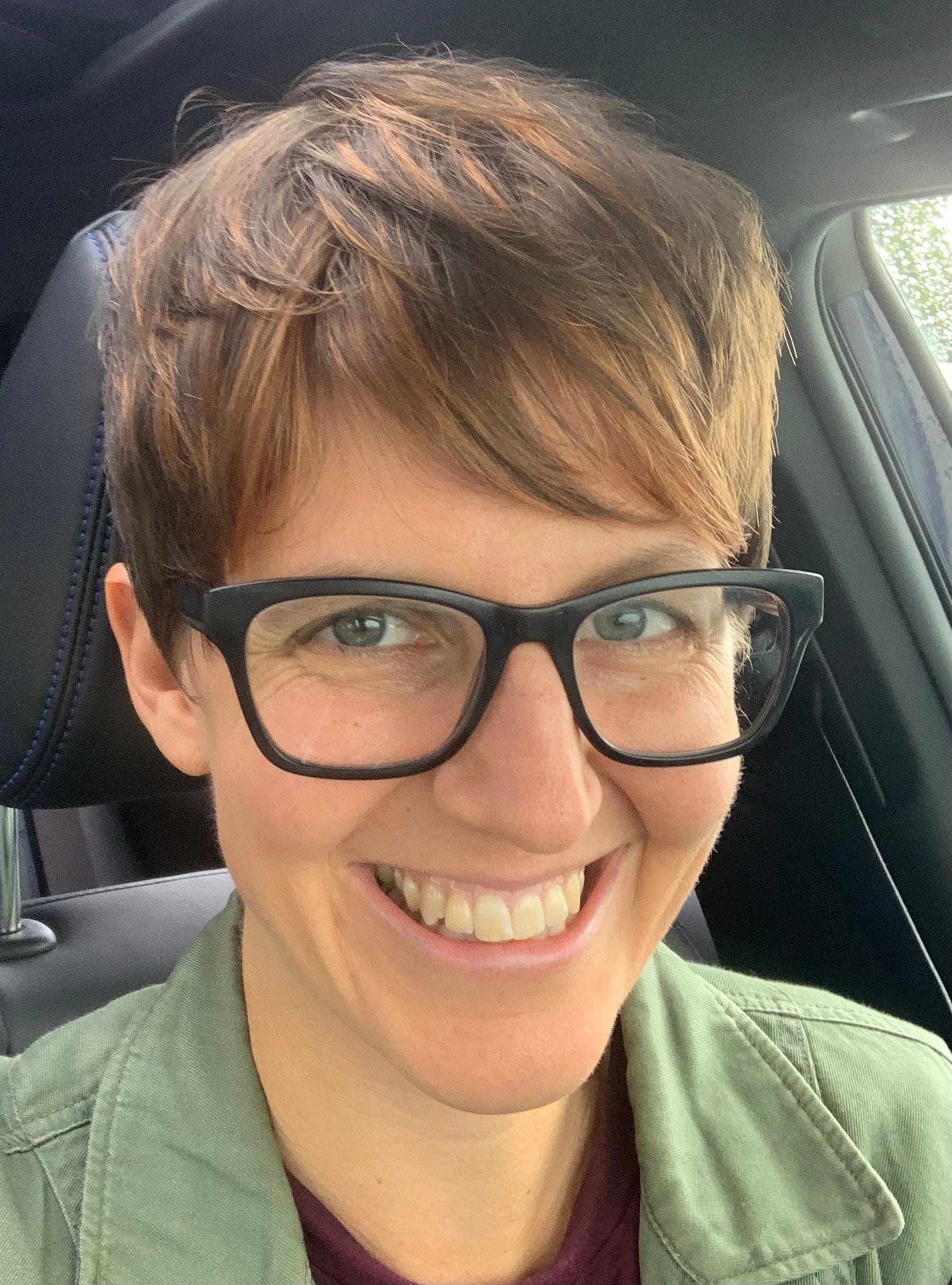
Erin Gong
I am a creative problem solver, learning to sit still. I’ve spent the last 20 years easing out of the more traditional LDS tenets I grew up with, and at the same time enjoying a delightfully roundabout career—starting as a grant writer for children’s museums, then a consultant for non-profits, then Silicon Valley data scientist, and now a senior manager in tech. I live in Salt Lake City with my spouse and three children. I love to help other women discover their options to pursue a meaningful career, nurture their passions, and have a family.
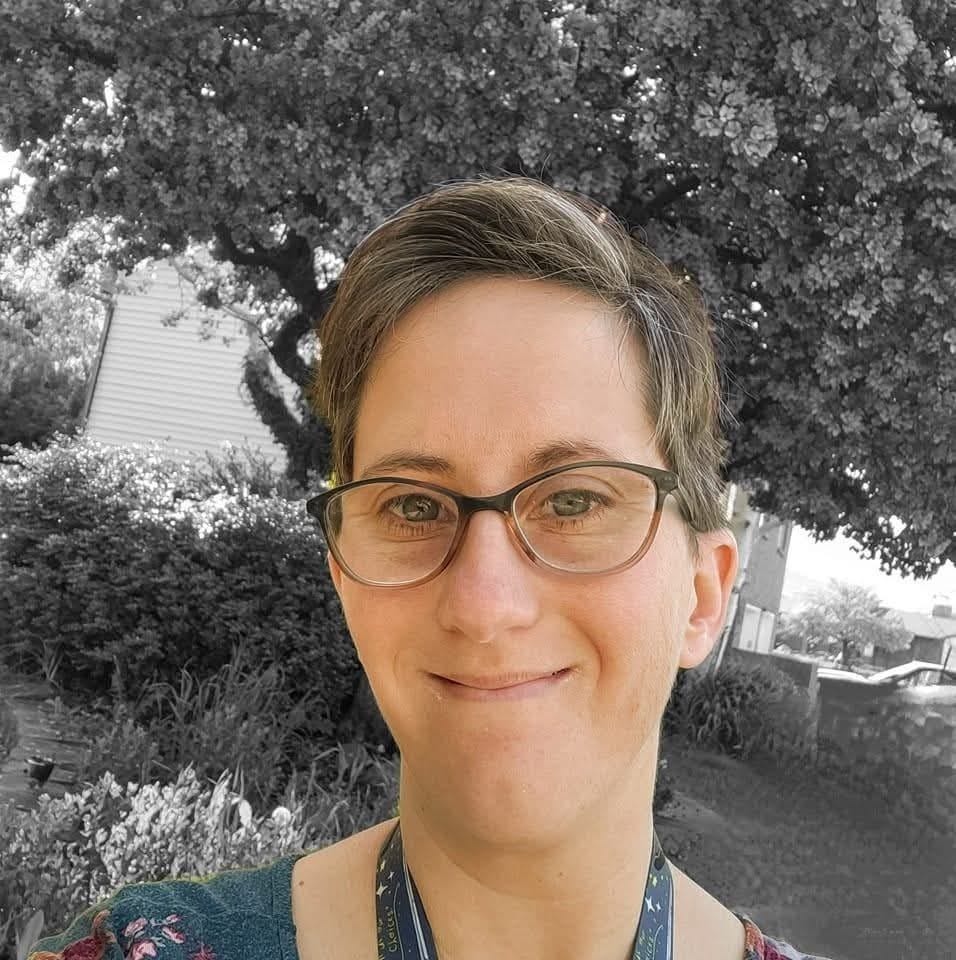
Carly Carter
I am a paraeducator, mother, and writer who has spent years navigating the tension between deep love for my LDS faith and the feeling of not measuring up within it. My writing explores faith, identity, longing, and the pull to remain connected even while wrestling with difficult questions.
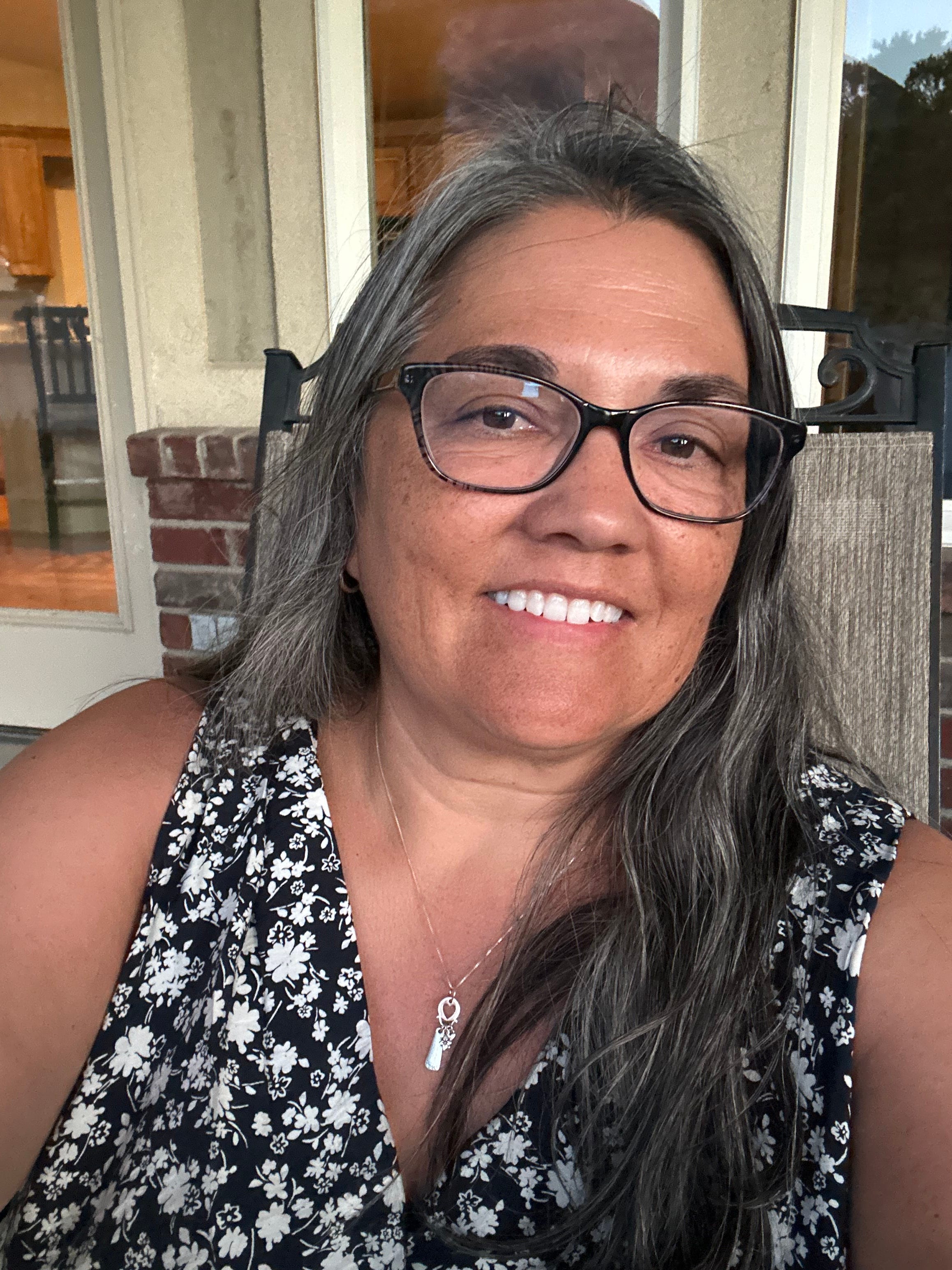
Angela Delgado
I am an aspiring writer living in Salt Lake City, UT. My faith journey continues to be a source of discovery AND frustration, but I am learning to be okay with every new bend in the road. I love traveling to far off places, spoiling my two cats, and spending time with family.
Thanks for supporting ALSSI! Have something to say? Join the conversation! Send us a voicemail, start a chat thread … or write a piece for a future Say More.
I spent years thinking the if/then was the whole gospel. If I'm good, God shows up/helps/heals/fixes. When the formula broke I thought I'd lost faith. Turns out I'd only lost the vending machine. What came after was quieter and so much kinder. ♥️
This was wonderful. It really resonated this struggle I also experience. Glad I’m not the only one.