


Behold, the days come, saith the Lord God, that I will send a famine in the land, not a famine of bread, nor a thirst for water, but of hearing the words of the Lord. –Amos 8:11
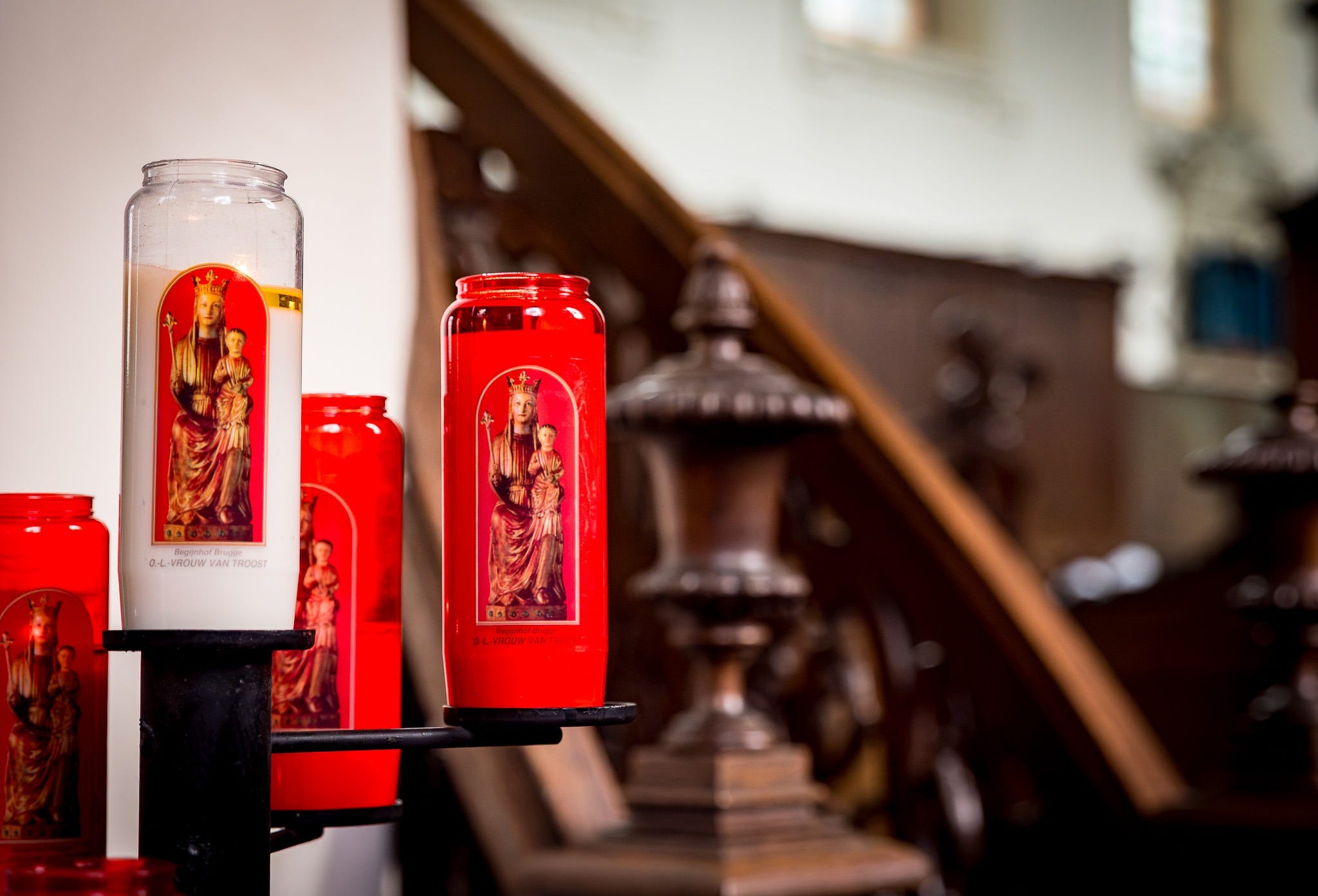
“I feel like I’ve been lied to”, I said to Susan as I cut up my enormous piece of french toast in an overly-air-conditioned Kneaders last week. “My whole life I’ve been told we needed the Restoration because of spiritual darkness and to restore priesthood keys.” It seems that now—in this century—the LDS church only focuses on the latter part—the lack of keys. But like so much of the revisionist history happening in the church right now (we never hid Joseph Smith’s polygamy, women were never told not to work, etc.), we’ve been slowly backing away from the “spiritual darkness” part of apostasy. And we should! We should back away from such ignorance, but maybe we should back away from it with a bit of humility and an acknowledgement of harsh statements such as these—
“Because of apostasy, there was no direct revelation from God.”
“For many years people lived in spiritual darkness.”
“There were no Apostles or other priesthood leaders with power from God, and there were no spiritual gifts.”1
And from the Church’s style guide–
Apostasy; widespread apostasy; falling away; the phrase “Great Apostasy” is acceptable in member-facing materials but not recommended for a friend audience or for materials intended to help missionaries teach a friend audience2
I don’t want to say much about the priesthood keys part of the apostasy, except for this. How am I, as a woman, supposed to care one whit about keys that can only be held by men? How does that not make me, and my entire gender, feel like an outsider? As second class? It almost begs the question, if women could have been Key Holders, might the apostasy never have happened? Couldn’t God, in all of God’s cleverness, have hidden the priesthood keys in the most unlikely place? With a lowly woman or two, or thousands? I know…I know…. I am forgetting that patriarchy demands hierarchy, and women have always been excluded from the hierarchy of Church governance—then (ahem, Catholics) and now (ahem, Catholics and Mormons and Baptists…and on and on) but that’s another convo for another day…….End of rant about keys, back to the LDS claim of spiritual darkness.
When one loves, one does not calculate.
—Thérèse of Lisieux
I don’t know how Church leaders and their curriculum writers could even keep a straight face and say there were no spiritual gifts on the earth between the time of Jesus and Joseph Smith. Really? No mercy? No giving? No hospitality? No faith in God? No shepherding? Those are all spiritual gifts!
My entire formative faith life (80s and 90s) I heard that Amos scripture up above—that there would be a famine of God’s word during the Great Apostasy and that that’s why we needed a Restoration. And like so many of you, I was a good student in The Church of Jesus Christ of Latter-day Saints and I believed my seminary teachers, Sunday school teachers, prophets, apostles, and BYU professors when they taught me that there was a long period of spiritual darkness after Jesus died and the apostles died.
But this is why I told Susan over my breakfast last Saturday that I feel lied to. Because nothing has changed me more than to read about the faith and works of Christians—mostly women, but a handful of men too—during this supposed Great Apostasy.
I have no idea if there was a famine of keys. The idea of keys is no longer a weight-bearing question for me. But it’s clear to me that there was definitely not a famine of Christ-following women, overflowing with spiritual gifts, who also did the Jesus work. And if I had to choose between the importance of priesthood keys (which Jesus spoke about only once) and the love of God and service to our fellow humans that Jesus couldn’t shut up about, well, I am going to choose the latter to focus my life on. There have always been faithful saints continuing the movement of Jesus. That has never been “taken” from the earth. We have receipts! Here are a few—
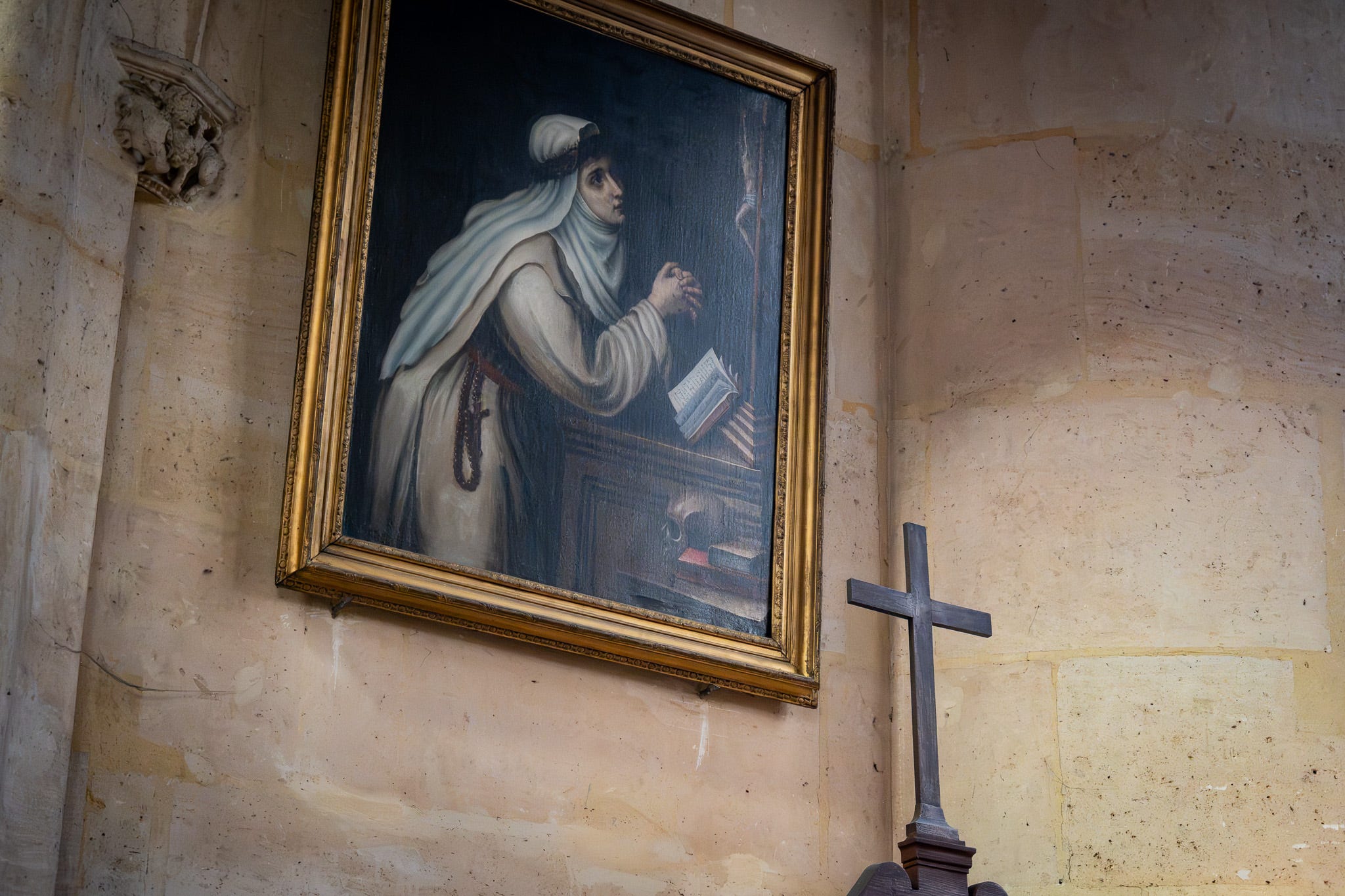
Teresa of Avila, the Spanish Carmelite nun in the 1500s, was known for her leadership and spiritual practices. She also founded over a dozen monasteries. In her book The Interior Castle, she said “It is a great advantage for us to be able to consult someone who knows us, so that we may learn to know ourselves.” Does that sound like a woman in spiritual darkness? Sounds to me like a woman who understands how relationship with God works.
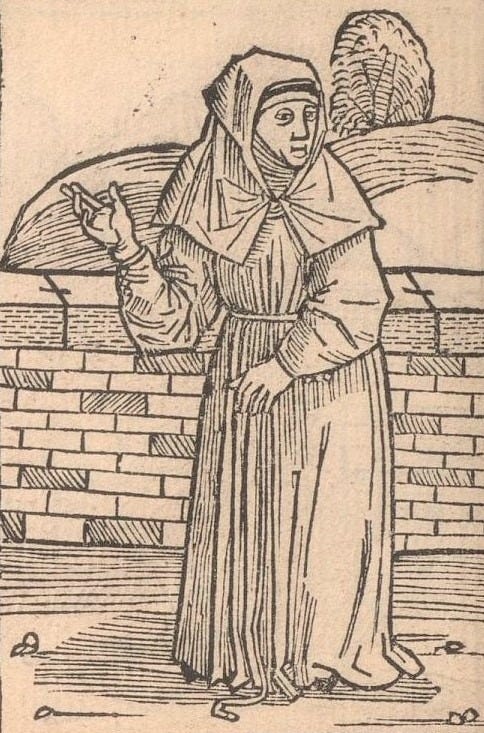
Or how about Marguerite Porete, the French beguine in the 1500s whose book The Mirror of Simple Souls in which she argued that a soul completely consumed by divine love transcends personal desire, sin, and fear. That transcendence allows one to enter a state of unmediated union with God. Show me the spiritual famine in those words?
But Christian women didn’t just speak, preach, and write about theology and spirituality, they did the work Jesus calls all his followers to do. Faith without works is dead, ya know? I’ve heard that somewhere before.
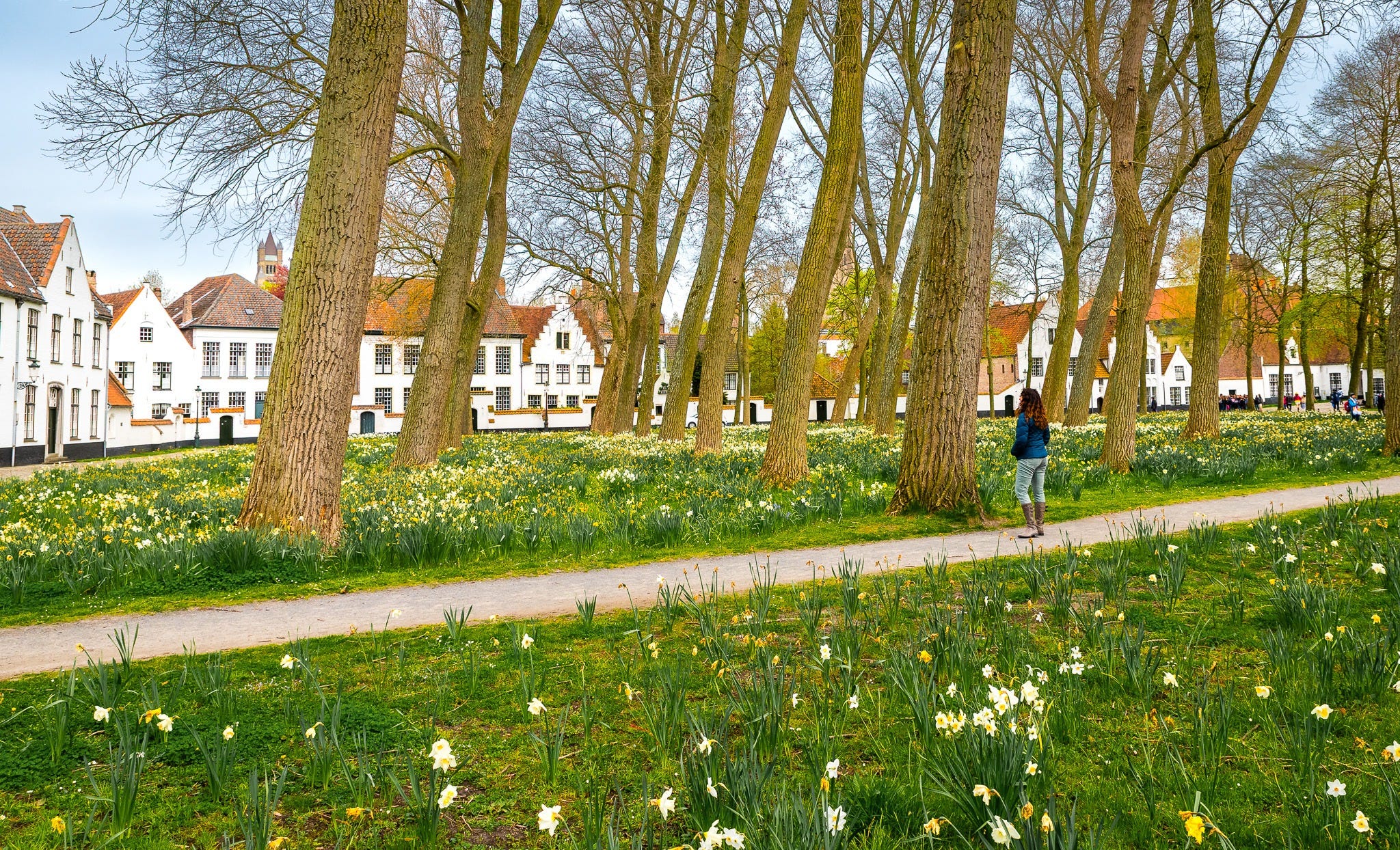
For months I have been studying about the beguines—books, podcasts3, and blogs. Honestly, I feel changed knowing about them. Beguines were medieval European women who lived in semi-monastic communities (beguinages). Unlike traditional nuns, beguines did not take permanent, formal religious vows and were free to leave or marry at any time. They focused on prayer, spiritual study, financial independence, and caring for the poor and the sick.
If I were a woman in the middle ages I would totally see the attraction of living in a beguinage. Let’s see…women had no power in government or the Church. Childbirth is beyond dangerous, and marriage makes you male property. So yea, why wouldn’t women of God decide to form their own communities and financially support themselves so they could take care of one another and the sick and the poor? At their peak, estimates suggest there were approximately a million beguines all across Europe. A million women of God cultivating a spiritual life while doing the Jesus work?!! Where exactly is the spiritual darkness in this scenario?
The day of my spiritual awakening was the day I saw and knew I saw all things in God and God in all things.
-Mechthild of Magdeburg
Of all the beguines, my new hero definitely has to be Mechtild of Magdeburg who lived during the 13th century. Forgive me for writing about her again, but I have a thing for mouthy women of God who piss off the Men in Charge. Laura Swan, author of The Wisdom of the Beguines: The Forgotten Story of a Medieval Women’s Movement, writes,
“In a synod held at Magdeburg in 1261, Archbishop Rupert of Magdeburg revoked the right of local beguines to self-governance, their relationship with the Dominicans was suppressed, and the women were placed under the authority of local clergy. This series of changes did not go over well with the beguines, and Mechthild became increasingly critical of the institutional church.
In The Flowing Light of the Godhead, Mechthild claimed that “God calls the cathedral clergy goats because their flesh stinks of impurity with regard to eternal truth, before His Holy Trinity...” and she went on: “Alas! Crown of holy Church, how tarnished you have become. Your precious stones have fallen from you because you are weak and you disgrace the holy Christian faith.
If calling truth to power isn’t direct revelation, well, what is? Anciently, prophets were always called from outside the system—think Samuel the Lamanite and Abinadi in the Book of Mormon. And Nathan, Elijah and Jeremiah in the Bible. Mechtild was a prophet in every sense of the word. She had the action and the contemplation; faith coupled with works. A prolific writer, she wrote parables, allegories, prayers, as well as writing about her visions. And like so many prophets, she lived the remainder of her days in hiding, protected by the Cistercians because she just couldn’t shut up about the corruption in the Church. Things rarely end well for mouthy women of God. Again, where is the famine of God’s word in Mechtild?
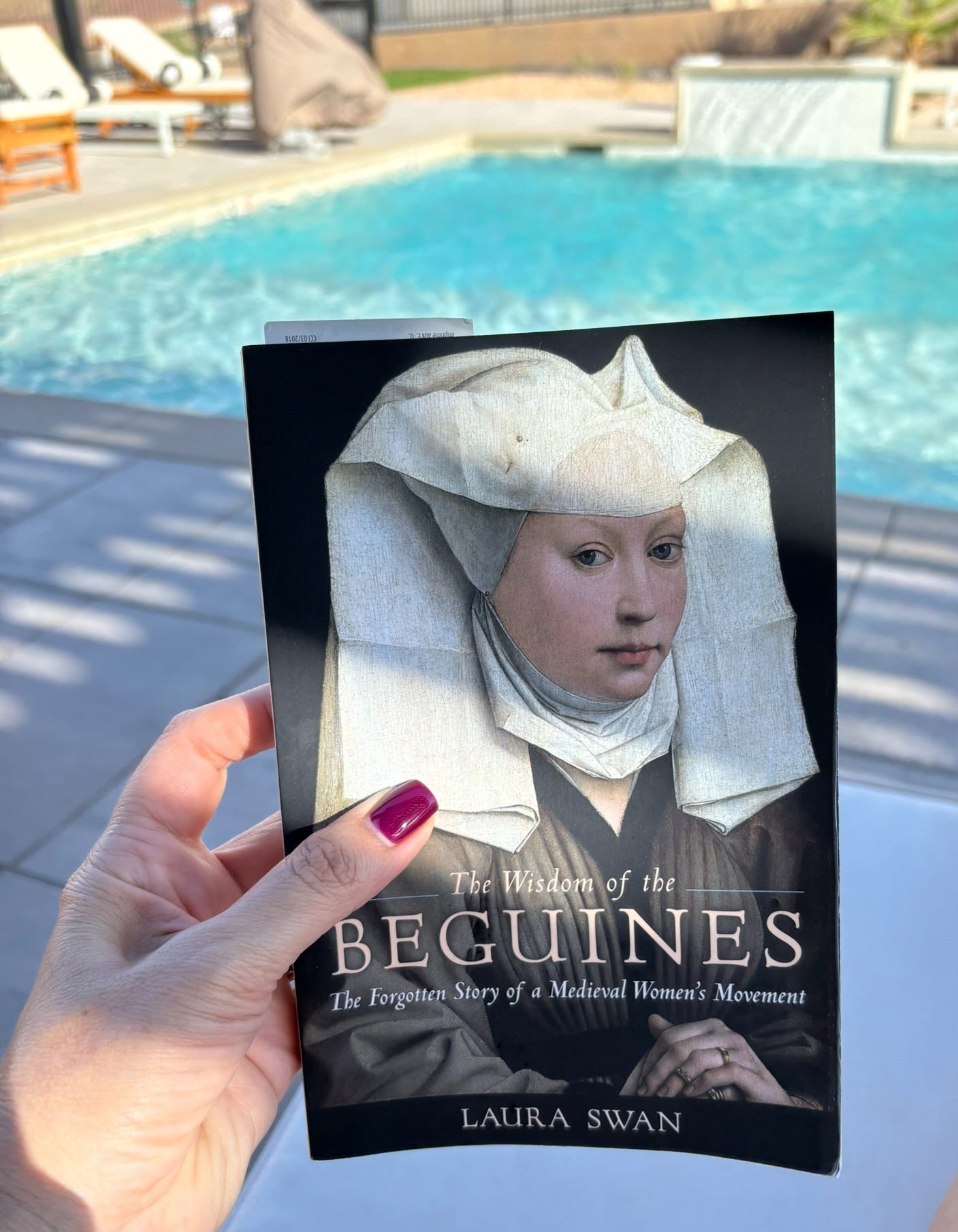
Again from Laura Swan–
“Beguines and other laypeople asked themselves: How did Jesus want us to live? How did the early followers of Jesus behave? Why does our own church not look like the church of the early apostles—why is corruption tolerated?...Medieval followers of the vita apostolica4 sought to make Christ present on earth and to restore the church to its original, primitive expression.”
Perhaps we are always in need of lots of restorations and not just one big Restoration? Our own Book of Mormon warns against the pride cycle. Pride/sin inevitably leads to suffering which leads to humility/repentance which leads to righteousness/prosperity, which then circles back to pride/sin/apostasy. Rinse and repeat. Humans are gonna pride. Always.
Reading about the beguines and other Christian mystics has changed my entire view of women in Christianity. On the one hand, it has filled my soul to know about these badass women who took control of their faith and their lives. And on the other hand, I can’t help asking all the ‘What Ifs’. What if patriarchy hadn’t shut out women, would there have been an official “apostasy” in our LDS doctrine? What if we took women of God seriously, could the beguines have started the reformation long before Martin Luther? They certainly were reformers!
I have a thing for mouthy women of God who piss off the Men in Charge.
What could all of Christianity have looked like had we taken their leadership seriously? There was never a famine of women’s words and deeds! Why does society always, always, look past women’s ministry? And lastly, what if women were the physically stronger sex? Would we have been bullied into submission and hierarchy? I have no answers and I mourn all these ‘What Ifs’, but I am heartened to know that women have always made their mark in Christianity, doing the Jesus work. I see no evidence of spiritual darkness. No famine of ‘the words of the Lord’. I only see a famine of recognition.
“We need no wings to go in search of Him, but have only to look upon Him present within us.”
Teresa of Avila

Cynthia Winward

Thanks for supporting Say More and ALSSI. Have something to say? Join the conversation: Send us a voicemail, start a chat thread, or write a piece for a future issue!
All three of those quotes are from the Gospel Principles manual, copyright 1997 https://web.archive.org/web/20131021232853/http://www.lds.org/gospellibrary/materials/gospel/Start%20Here_01.pdf
Spelling and Distinctive Treatment of words https://guide.churchofjesuschrist.org/spelling-and-distinctive-treatment-of-words?lang=eng
Contemplify podcast, August 2025, https://contemplify.com/2025/08/09/sr-laura-swan-osb-on-the-radical-wisdom-of-the-beguines/
vita apostolica = (Latin for “apostolic life”) is a Christian concept that means living in imitation of the first community of apostles gathered around Jesus Christ.
This one was it. Ordering the book now and then I’m off to piss off more men in power. Thank you!