



Why I Couldn’t Stay
by Allison
I’ve grown up in the church my entire life and my family
was considered a dependable one, it felt like the ward mindset was “give it to a Gardner and it’ll get done.” It was a source of pride, but also exhausting. I was a Beehive, Mia Maid, and Laurel President and was constantly asked to serve and reach out to the less active (this comes back later).
I went to college at BYU-I for a couple years and had the ups and downs of being a college student and wanting to do worldly things, and still wanting to go to church. I ended up graduating at 21 without a family, husband, or boyfriend. All the other women I saw around me often had at least one of those things and I felt like a failure.
I went to the temple for my endowment a couple days after graduating college. I’ve heard a lot of people express mixed emotions about the endowment process, but all I felt was peace and certainty. However, I couldn’t imagine going through that process as an 18 or 19 year old missionary.
When I moved home from college, I fell into a weird funk. There was a lot of depression and disassociation and nothing seemed to matter that much.
I hooked up with some guy but didn’t feel guilty for it until I started dating someone else a month or so later and we started talking about temple marriage. I realized I had some things to take care of before we got to that point. I told the guy I was dating about my situation and I set up a meeting with the bishop for the very next Sunday.
In the meeting with the bishop, I told him I’d do anything to get back onto the covenant path.
Any type of counsel, discipline, timeline, it didn’t matter to me because of my intense desire to overcome it and go back to the temple. From that meeting, we had planned to meet on a regular basis for the next six months, he would give me talks and scriptures to read, I continued to take the sacrament, go to church, FHE and Institute. I completely immersed myself in the church and in the spirit and felt a lot of growth. When we talked about the timeline, I let him know that my uncle was getting sealed the first week of November and he was adamant we could take care of things by then.
On the Sunday before I was supposed to leave for my uncle’s sealing, I showed up to the stake center ready for my interview with the stake president. To my surprise, there was no one there. I reached out to the executive secretary to see if I got the times wrong and he let me know that the meeting was cancelled. The stake president was not going to meet with me and no one bothered to tell me until I was at the building and had to ask. I definitely experienced an emotional struggle when this happened. I felt blindsided, like I was stood up and disrespected, but I also felt guilty for those feelings. I had never been upset at a church leader before so I was in a gray area.
I then reached out to my bishop to see if he knew anything and he said that he and I were going to meet before sacrament meeting. I can’t remember if I went home and came back, or just waited in the building, but the hour before sacrament meeting came and I went to his office.
I remember feeling a lot of confusion and hoping I had misunderstood something while I was waiting to meet with him.
We spoke about my progress, and then about how the stake president didn’t show up. According to the bishop, he and the stake president had already spoken and decided that they didn’t want to “make a mockery of God” by renewing my recommend and giving me access to the temple.
I. Was. Floored.
Absolute disbelief. They had decided through conversation between them, without the stake president even MEETING with me, that allowing me to the temple would be a mockery of God.
It’s been about four years now and I still feel the same anger and despair that I felt that day. I knew I had gone through the repentance process, used the atonement that was freely given, and felt confident in going back to the temple. I told him that I respected their right to receive revelation, but I had also been taught that no revelation can supersede my own, regardless if they are a presiding authority or not.
My entire life I had been the go-to, faithful, ministering girl that always reached out and always served, and then when I was on the opposite end, when I needed a friend, or invitation, or to be ministered to, no one showed up.
The only thing holding me back from a renewed temple recommend and getting to go back to the temple was the timeline the bishop gave me. In that final meeting with the bishop, I was told that when an endowed member breaks a covenant, they require a one year minimum repentance process. And I was only six months in.
I was SO confused, and honestly kind of insulted. I had gone into the process ready and willing to do anything on any timeline, and he gave me a six month timeline, which I stuck to. How would I have known it was supposed to be a year, when he only said six months?
The bishop did try to take accountability for the “mix-up,” but only came across as disingenuous. He talked about how it’s a good lesson for him and now he knows what to do moving forward. There was rage that showed up for me when he said that, I thought “how dare you treat this so callously when this is my life and my salvation?”
He then left his office to go start the meeting and I spent the next 15-20 minutes sitting alone and sobbing. I felt like the rug was ripped out from under me and the light at the end of my tunnel had been snuffed out.
As I ruminate on this experience, I keep coming back to these three things:
1. If the repentance process and atonement is supposed to be so personal, why is there a mandatory timeline on it? We are all so different that the progress someone might make in a year, a different person might make in nine months, six months, or less. I didn’t understand why there was a policy for it instead of being entirely situational.
2. I realized that the priesthood wasn’t just the power of God, it was the power to gatekeep. Knowing that I could do everything and feel confident about something, and still have it withheld because of someone else, didn’t make any sense to me. Being denied access to the temple felt like being told, “The Atonement doesn’t work for you yet. Sorry.” There was, and still is, a sense of helplessness knowing I could repent, pray, change, and feel confident in my relationship with God, but someone else still had the authority to decide whether I was allowed back into the temple.
3. Some people I have shared this experience with like to come back with the idea that “the church is run by imperfect people.” What a tactic to feel guilty for being upset and to doubt your boundaries and standards. My response to that now is that you can’t have it both ways. You cannot claim the power of the priesthood and claim to be called of God and not expect to be held accountable if you’re supposed to be operating through that power.
The LDS Church teaches the whole reason the war in heaven was waged was because Satan didn’t want us to have agency, and God did. Christ came to Earth so we could have and practice agency. For a church that emphasizes agency so much, why would they allow someone else to make such huge choices for me? Especially if my own feelings are the opposite?
I’ve often been asked what might have happened if I stuck out the next six months until I hit that one year mark, and it wasn’t an option for me. I had lost trust in that bishop and stake president, and it’s not like I could outsource those roles to someone else. I was worried I’d get another six months in and they’d tell me the same thing and push the timeline back again.
Another thing I noticed was how the ward changed around me, and how the members treated me differently. As I was going through this internal shift, I showed up less and less. I was no longer attending institute, FHE, or church every Sunday. There was a lot of hurt and change I was wrestling with, but I can also admit now that I was testing others too. My entire life I had been the go-to, faithful, ministering girl that always reached out and always served, and then when I was on the opposite end, when I needed a friend, or invitation, or to be ministered to, no one showed up. Even the bishop barely acknowledged me. He didn’t even bring up my recommend again until I was moving out of state 6 months later. That reinforced the idea that I was just a lessons-learned checklist.
Whenever I’ve seen the people I know leave the church, they always talk about the things that piled up over time and as the saying goes, broke their shelf. While there were always issues I had with the church, nothing felt load-bearing enough to have an effect. I always knew that the church is run by imperfect people, and my testimony of the doctrine carried my lack of testimony of the organization. This experience diminished my testimony in the gospel fundamentals, and in church authority.
I unscrewed my shelf from the wall and tossed it.


That Isn’t Her
by Nicole Slater
All members of the patriarchy
Love women who are generous
They put them on a pedestal
An ideal displayed for emulation
The problem with the pedestal
Is that we don’t see a person there
Her service is exhibited for praise
While her mind is ignored completely
The image on the pedestal
Is remarkable for self-sacrifice
And wouldn’t dream of complaining
Defined by what she give away
I cannot celebrate this image
Because I can’t help but wonder
Why wasn’t she free to complain?
Why couldn’t she take up space?
What I want is the whole story
I want to see an actual person
Was she generous or oppressed?
I expect both of these at once
I am trying to understand
Did she do it all from love
Finding peace in filling a role
Even as she erased herself?
Was the gratitude given later
Enough for her sense of fulfillment
For the mother in the mold
That must have pinched at times?
The whole pedestal is hollow
And she deserves to be seen
Not frozen under a spotlight
But living, breathing, and whole
Perfection is too fragile to maintain
A single flaw shatters the image
Release her from burdensome duty
That isn't her
She is more

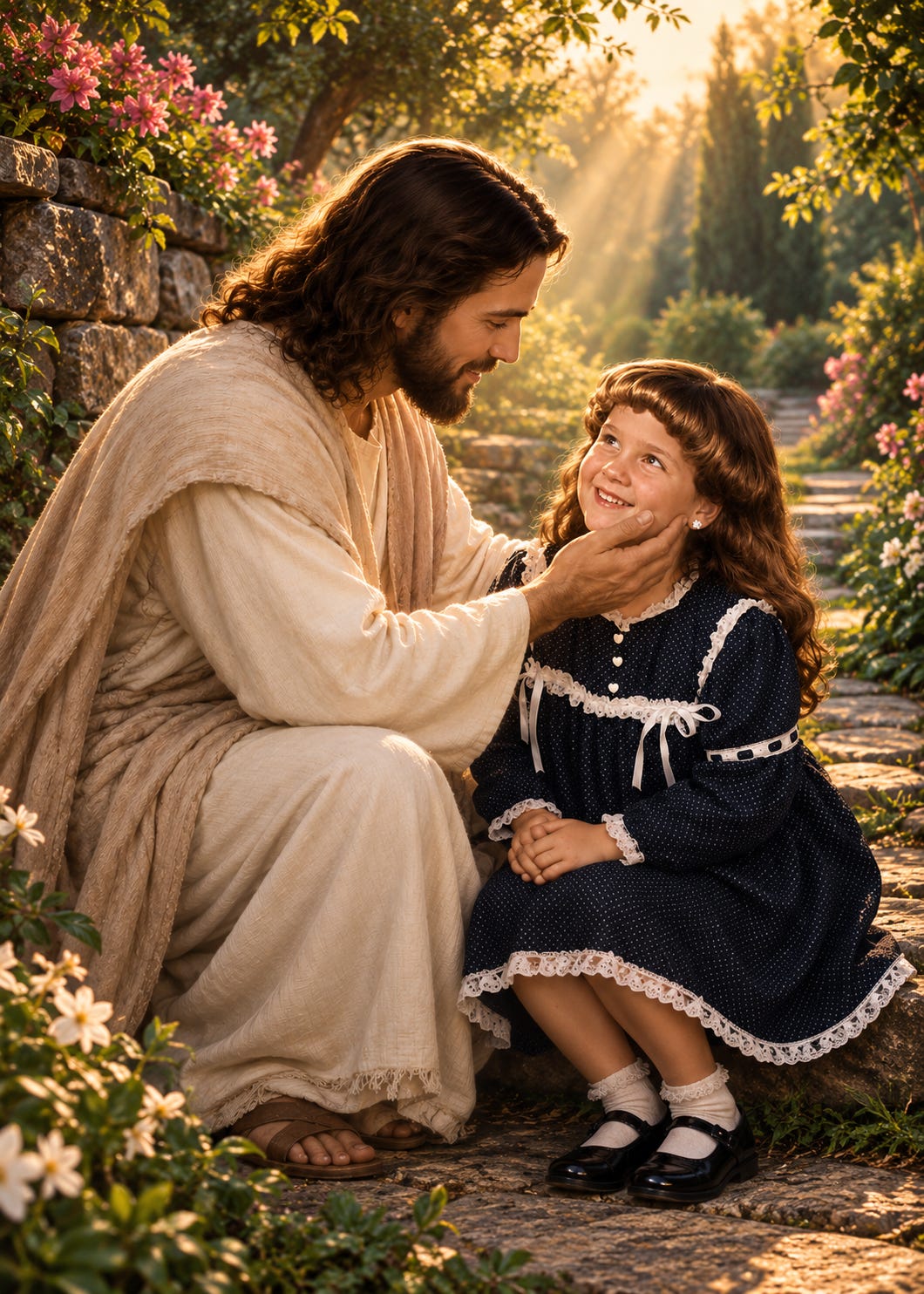
I Never Stopped Believing—A Personal Faith Story
by Trish Madsen
There were a lot of years when I wasn’t going to church.
If you had looked at my life from the outside, you might have assumed I had lost my testimony. Maybe that I didn’t believe anymore. Maybe that I had decided the gospel wasn’t for me.
But that wasn’t really what happened.
I never stopped believing in the Savior. My faith wobbled sometimes, absolutely. There were things I didn’t understand and times when Heavenly Father felt very far away. But underneath all of that, I still believed. I still loved the Savior. I still believed the gospel was true.
I just couldn’t always get myself through the church doors.
I grew up with significant childhood trauma. Some of it came from the person who was supposed to teach me what a father looked like. Instead of safety, I learned fear. Instead of trusting that the people who loved me would protect me, I learned to watch for danger.
And I got really, really good at being afraid.
Fear followed me for most of my life.
Eventually there was severe depression and social anxiety. There were periods when staying alive took more energy than I knew how to explain to anyone. Later there was addiction, and during active addiction my fear of people became almost crippling.
Going somewhere filled with people—even somewhere I wanted to be—could feel impossible.
So I stayed home.
And then came the shame.
I knew where I “should” be on Sunday. I knew what I believed. I knew the person I wanted to be. And every time I couldn’t make myself do those things, it became another piece of evidence in my mind that I was failing.
The strange thing is that I never stopped talking to Heavenly Father.
Sometimes I was angry. Sometimes I was desperate. Sometimes my prayers probably weren’t very pretty. But He was still my Father, even when I wasn’t sure what being His daughter was supposed to look like.
Over the last few years, something has changed.
It wasn’t one enormous spiritual experience. There wasn’t a single Sunday when everything suddenly made sense and I marched triumphantly back into church.
It happened slowly.
As my mental health improved, I began getting pieces of myself back. I started realizing there was a difference between surviving my life and actually living it.
And I started looking at fear differently.
Now I think faith might be looking at the fear and saying, “You don’t get to decide for me anymore.”
I had spent most of my life believing that if I could anticipate every bad thing, protect myself enough, and keep enough distance between myself and anything that could hurt me, maybe I would finally be safe.
But fear never made me safe.
It just made my world smaller.
For the last couple of years, I have been learning something that still feels almost radical to me: I can trust Jesus Christ.
Not because He promises that nothing painful will ever happen again. I know better than that.
I trust Him because I am beginning to understand that whatever happens, I will not have to walk through it alone.
That has changed what the atonement means to me.
For a long time, I thought of the atonement mostly in terms of repentance. We sin, we repent, and because of Jesus Christ we can be forgiven.
I still believe that.
But now I understand that His atonement is also healing.
The Savior doesn’t only forgive the things I have done. He can heal the things that were done to me.
He can reach places in me that I thought would always hurt.
And maybe most importantly, He can teach me that fear doesn’t have to make my decisions anymore.
There has been another kind of healing too.
I have had to reconstruct what the word “father” means to me.
My first experiences taught me that a father could be frightening, unpredictable, and unsafe. For a long time, I didn’t realize how much those experiences affected everything else—including how I understood Heavenly Father.
But Heavenly Father has been patiently teaching me a different definition.
A Father can be gentle.
A Father can stay.
A Father can know every ugly, complicated, embarrassing piece of your story and still call you His daughter.
And Jesus Christ has taught me something about rescue.
I used to think being rescued meant the Savior would take the painful thing away.
Now I think sometimes He walks right into it with us.
Sometimes He sits with us there for a while.
And when we’re ready, He helps us stand up and walk out.
My life isn’t tied up neatly with a bow now. I am only six months into recovery from addiction. I recently completed intensive trauma treatment. I’m still learning things about myself that I probably should have learned a long time ago.
But I don’t feel like the same woman who spent her life waiting for something terrible to happen.
And when I returned to church, I wasn’t returning to something I had stopped believing.
I was finally becoming healthy enough to live outwardly what my heart had quietly held onto all along.
I think sometimes we look at the empty seats at church and assume we know why someone isn’t sitting in them.
Maybe she doesn’t believe.
Or maybe she desperately does.
Maybe getting dressed and walking into a room full of people requires more courage than we can see.
Maybe she is fighting something she doesn’t know how to explain.
Maybe she talks to Heavenly Father every night even though she hasn’t sat in a pew for years.
Maybe the Savior is already working with her.
I know He was working with me.
I used to believe faith meant being certain enough that I wouldn’t be afraid.
Now I think faith might be looking at the fear and saying, “You don’t get to decide for me anymore.”
I spent most of my life living in fear.
I’m learning how to live by faith instead.
And for me, that is what coming back has really meant.


Who I Would Be
by Anonymous
Jesus smiled wide as he clapped for the Mormons. “Well done,” he said. “You showed up, served one another, and kept the rules. That was quite the performance.”
As I stood there, I couldn’t tell if I was still acting or if the part had become me… and then I discovered I could choose who I would be.


Only The Shepherd Knows His Sheep
by Carly Carter
Only the Shepherd knows the sheep, he calls it by name. Sometimes he leaves the ninety nine to find the one.
His footprints share its path. Only he knows where it has been so only he can provide perfect guidance.
He smiles with each step it takes towards home. With perfect patience he stays by its side in meadow or swamp.
With perfect grace he waits for it to remember its own way back. Sometimes it wanders, forgetting its destination.
The sheep may loose sight of the shepherd, but is never out of his reach.
When it's weary the shepherd’s hand lifts the head, the sheep recognizes his touch and knows it is not alone.
When the elements don’t let up and the sheep is almost overcome, it cries out and the shepherd offers his robes.
A warm embrace of shelter and comfort. The storm rages but the sheep rests.
As the sheep and the shepherd emerge over the hill, flock in sight, the shepherd rejoices for his one. The once lost who returned. Only the shepherd knows the sheep.

From A Listener:
I just wanted to thank you for episode 216 about the temple. Holy cow, I feel like you were saying exactly what I have been thinking for 25 years.
Let me say that I have always been a fence sitting Mormon—I have never been “all in” and I have struggled deeply since I was married in the temple at 22 years. I remember coming out of the temple endowment and going straight home and getting in bed and sobbing. I went occasionally for about 15 years but always thought something was wrong with me because I just didn’t jive with it. I have zero bad feelings but it just didn’t jive with me.
I have a visceral reaction to getting a temple interview and I don’t know why but I am so glad I never have to go to one ever again. I would want to crawl out of my skin even when I had nothing to hide, and I could answer all the questions truthfully.
I have not renewed my temple recommend since it expired in 2021 and I don’t feel bad about it. You have helped validate that I am not the only one who has ever felt this way. This past week my oldest and only daughter shared that she is going to serve a mission at 21 years. And while I am happy for her, it has cut me so deep that I will be sitting on the outside unable to support (in her mind) the most important time of her life. And it is my choice, but I just can’t get a recommend and answer the questions anymore.
I have been hoping (I feel guilty praying) for some validation and I feel like I got a tiny bit from your podcast today. I could go on for pages, but I feel a bit of peace and maybe a bit of hope that there are other women who share similar experiences. For this time period, it is what I crave and what I need. So thank you again for daring to have a podcast and talking about really hard things.
P.S. I still cringe and am gutted that we (me and my hubs) didn’t invite my dad up to the baby blessing circle of my youngest child. It was one of the only times he has cried in public. It was heartbreaking and so unnecessary to hurt someone like that because he didn’t have a temple recommend (this was 15 years ago). If I could take that one back..... hard lessons to learn.
Thanks again,
Hailey

Contributors:

Allison
I was a member of the LDS church for 22 out of my 26 years of life, and I’ve spent the other 4 years trying to figure out what I believe and what it all means. Writing this piece is a dedication to every version of myself that was wronged and wouldn’t speak up.

Nicole Slater
I am a creator, a wife, and a mother of three who lives in New Mexico. I have a Bachelor’s Degree in Communications and freelance occasionally in Graphic Design and Photography. My free time is almost always spent reading.
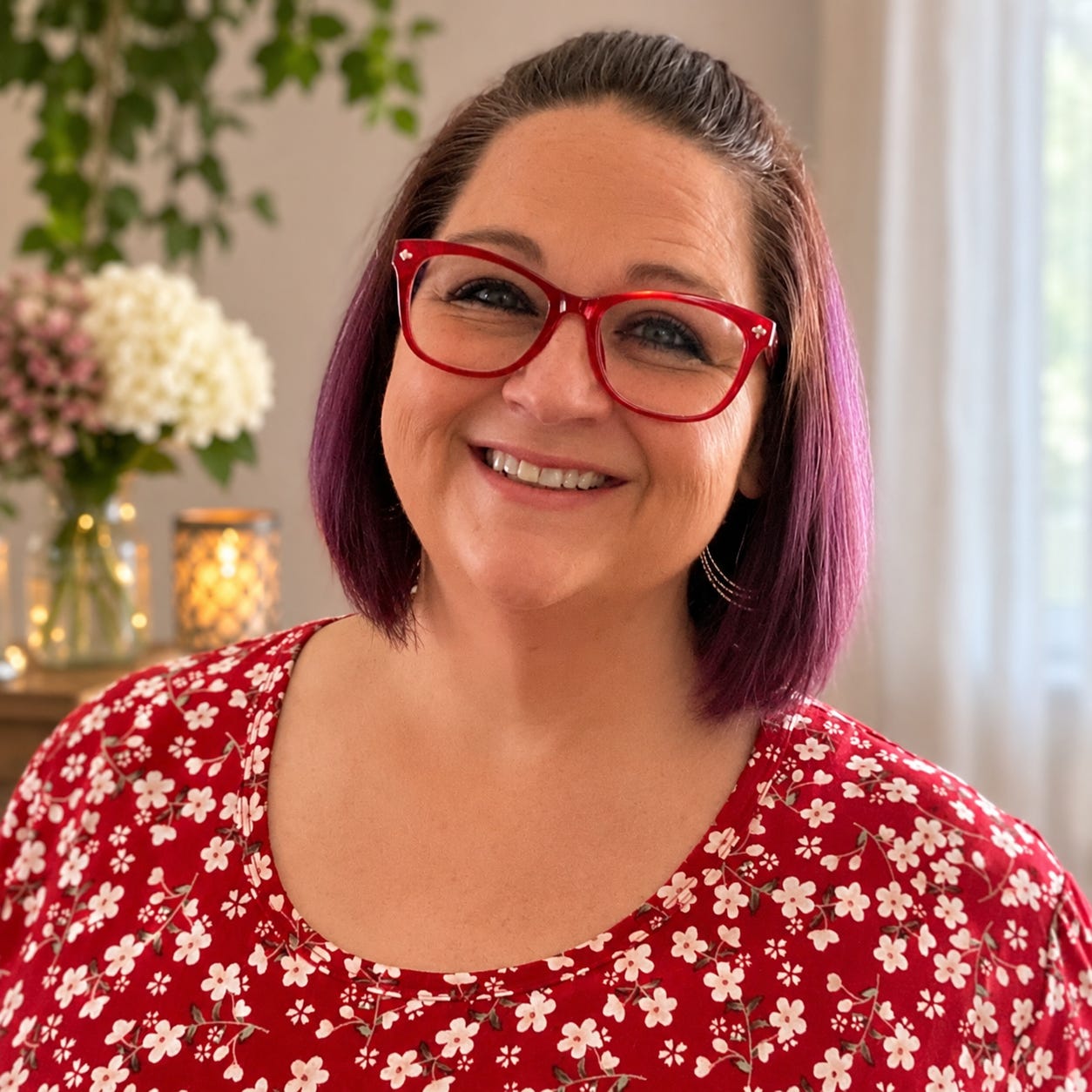
Trish Madsen
I am a woman of faith, a survivor, and a firm believer that healing and hope can grow even in life’s darkest seasons. My journey through trauma, addiction recovery, and personal challenges has deepened my understanding of grace, unconditional love, and the tender relationship that I share with Heavenly Father.
A singer, songwriter, and creative soul, I find joy in music, storytelling, and bringing my whimsical handmade creations to life through JellyBeanJigCottage. As I continue rebuilding my independence and embracing new beginnings, I hope my story reminds other women that their worth has never depended on their perfection—and that it’s never too late to begin again.
Anonymous
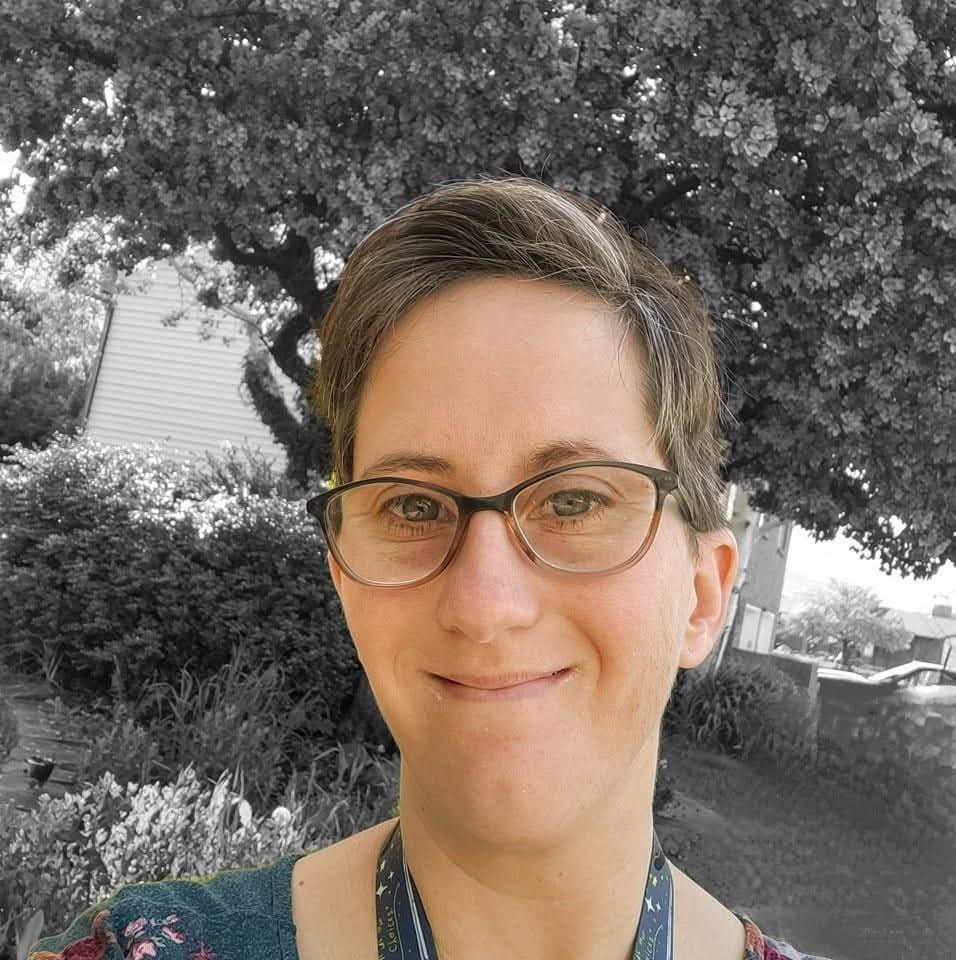
Carly Carter
I am a 38 year Paraeducator. I am a single mom to an 11-year-old. I use my writing to express and process the years of navigating the tension between deep love for my LDS faith and the feeling of not measuring up within it. My writing often explores faith, identity, pain within the religion, and the pull to remain connected even while wrestling with difficult questions.
The ALSSI community keeps growing, thanks to your support. Please keep spreading the word! Be sure to check out our chat feature—it’s another benefit of your paid subscription. If you have something to say, send us a voicemail, start a thread…or send us a piece for a future Say More!
All of your voices touched my heart. Thank you.
Beautiful voices 💛