


The Beauty of Agency
by Jillian Scott
I am 31, I am married and have 3 beautiful children. We are expecting our 4th in April. I have been going through a rough faith journey the past couple of years. Many of my siblings have left the church, and now my husband has decided he no longer believes in the truth claims of the church. This has shaken my world, and has caused me to go through my own questioning. To make a long story short, being faced with this new dynamic in my life has helped me see a new perspective in our journey here, which I am very grateful for. This has all been terrifying for me to go through, including my own deconstruction, but I feel I have come out stronger for it, and my marriage is stronger for it. I know many are going through similar situations as well.
I want to share with you a talk I gave in sacrament meeting. I asked my bishop if I could speak about the beauty of agency in God’s plan for us, and the comfort we can have when loved ones—or we ourselves—take a different path spiritually. This topic is close to my heart, and I feel very passionate about this. I could not believe the overwhelming feedback I received after giving my talk. So many people came to me in tears, thanking me for speaking about this and saying the hard things. Many asked if I would share my talk with them. Many even said they wished this was given in general conference. It became apparent that many members are being faced with these questions and situations, and need to hear the things everyone is thinking, but nobody is talking about.
I want to speak to those who have experienced,
or are experiencing, a loved one—be it a spouse, child, family member, or friend—who has left your faith, or has taken a different path in their faith journey than you hoped for them. I also want to speak to those who feel they are currently in their own faith crisis, deconstruction, reconstruction, journey. Between these two, this should include just about everyone. From my own personal experience, going through a faith crisis/deconstruction, and having someone you love dearly leave your faith and take a different path, feels very uncertain, lonely, fearful, worrisome for your salvation or your loved ones, and even very dark. So much weight is on your mind and shoulders. I remember feeling like I just wanted all of the uncertainty to end, to have all my beliefs and relationships back to normal. But that just can’t be, and we are left during these dark times of struggle with doubt, discouragement, and deep questions that often feel unanswerable.
Maybe we feel something has gone wrong, or we have done something wrong, to have these questions or uncertainty come into our lives. But during this time for me, which felt so dark and uncertain, I came to know my Heavenly Parents and my Savior at a deeper level than I ever thought I could have. I came to learn so much about Their grace and love. I came to learn a beautifully different perspective about our eternal plan and purpose that I feel is often overlooked by many of us, and I want to offer this perspective today. I hope it will bring peace and assurance to your hearts during what may be a dark and uncertain time in your life.
I’ll start with a question. What is the purpose of our mortal experience? Is it A: to believe the truth and be righteous, and always do the right thing and never waver? Or B: to exercise our agency and grow and change, make mistakes along the way but learn from them? I think we would say of course it’s to grow and change and learn. But it seems we more often than not expect ourselves and others to live option A.
When we adjust our perspective to align with B and realize it is God’s plan for our experience here, it changes the way we see the mortal experience. We gain peace and assurance when we realize God is with us in our whole journey on earth vs. that He leaves us when we take a wrong turn. We gain peace in this perspective by knowing that we’re safe to exercise our agency, knowing that the whole learning and growing process was part of the plan vs. something went wrong in our journey when we made a mistake, or are faced with doubts and uncertainty. We learn in 2nd Nephi 2:16,21:
16 Wherefore, the Lord God gave unto man that he should act for himself. Wherefore, man could not act for himself save it should be that he was enticed by the one or the other.
21 And the days of the children of men were prolonged according to the will of God, that they might repent while in the flesh; wherefore, their state became a state of probation, and their time was lengthened, according to the commandments which the Lord God gave unto the children of men.
I think it is very significant that in this chapter we learn the transgression of Adam and Eve was a part of God’s plan, that it wasn’t a mistake. Verse 23 says:
23 And they would have had no children; wherefore they would have remained in a state of innocence, having no joy, for they knew no misery; doing no good, for they knew no sin.
24 But behold, all things have been done in the wisdom of him who knoweth all things.
25 Adam fell that men might be; and men are, that they might have joy.
This is all possible through the atonement. It is beautiful, and it wasn’t just a backup plan for the fall of Adam and Eve. It was the plan.
With this, we can have peace knowing that all the conditions of mortality are acceptable in God’s plan for us vs. any wrong turn or choice is detrimental to our eternal salvation. If the point of this mortal experience was simply to just believe the truth and be righteous or our eternal salvation would be at stake; if sinning, making mistakes, deconstructing parts of our faith, and taking different paths in our faith were truly such a detrimental thing on the grand scale of person’s eternal progression, then life would likely look a lot different. God could have made this world very differently.
1) The veil wouldn’t be over our eyes, to cause us to wonder and ask questions.
2) We would not be allowed to be agents unto ourselves. To make our own choices according to our limited understanding.
3) Church history wouldn’t be so messy and cause so many of us to really search and ask questions.
4) The picture could have been a lot more clear for us to be able to live the “right” way. The conditions for mortality are acceptable to God. And He knew this mortal experience was the best way to accomplish His purpose and plan for us.
Embracing this perspective gives us peace by allowing us to focus less on what we fear the outcome to be and focus more on God’s ability to help us, teach us, and lead us to where we need to go and what we need to learn, not fearing the process. The Lord tells us many times in the scriptures to not fear this mortal experience. We learn in John 16:33:
I have told you these things, so that in me you may have peace. In this world you will have trouble. But take heart! I have overcome the world.
2nd Timothy 1:7:
For God hath not given us the spirit of fear; but of power, and of love, and of a sound mind.
Isaiah 41:10,13:
Fear thou not; for I am with thee: be not dismayed; for I am thy God; I will strengthen thee; yea I will help thee; yea I will uphold thee with the right hand of my righteousness. For I am the Lord thy God. I will hold thy right hand, saying unto thee, fear not; I will help thee.
Rev. 1:17:
...Fear not; I am the first and the last.
We need not fear when we trust in God.
This perspective brings us peace by allowing us to be more honest and patient with ourselves about what we really believe, what we know, and what we understand. We can only really grow when we can be truly be honest with ourselves, and not pretend we know or believe, or force ourselves to know. If we are seeking truth and wanting to do what’s right, God is in that. We don’t need to be ashamed of our questions, doubts, struggles, dark times. It’s the process. He is teaching us, and guiding us through. Trust Him in your journey.
In this perspective, we will judge, assume, and fear less for others in their own journey, and have more respect for their choices. I love what President Uchtdorf taught:
“One might ask, ‘If the gospel is so wonderful, why would anyone leave?’ Sometimes we assume it is because they have been offended, or lazy or sinful. Actually, it is not that simple. In fact, there is not just one reason that applies to the variety of situations. Some of our dear members struggle for years with the question whether they should separate themselves from the church. In this church that honors personal agency so strongly, that was restored by a young man who asked questions and sought answers, we respect those who honestly search for truth. It may break our hearts when their journey takes them away from the church we love and the truth we have found, but we honor their right to worship Almighty God according to the dictates of their own conscience, just as we claim that privilege for ourselves.”
I also love this quote by Hank Smith:
“If someone you love is on a different faith journey than you’d hoped for, don’t get discouraged. They’re not lost to God. They’re likely on the path they need to be on to get to know Him. He will speak to them in their unique language. Keep loving them. Trust His plan and timing.”
We can know that God is just as much with them as He is with us in our journey. Everyone’s path and understanding is different. None look the same. We need not fear.
This perspective can help us choose goodness, and gain spiritual strength and knowledge because of sheer conversion and change in our hearts, if it happens. I love how Elder Renlund puts it:
“Our Heavenly Father’s goal in parenting is not to have His children do what is right; it is to have His children choose to do what is right and ultimately become like Him. If He simply wanted us to be obedient, He would use immediate rewards and punishments to influence our behaviors. But God is not interested in His children just becoming trained and obedient ‘pets’ who will not chew on His slippers in the celestial living room. No, God wants His children to grow up spiritually and join Him in the family business.”
Exercising our agency allows us to become, and choose for ourselves. I remember during the depths of what I felt was a faith crisis, I realized that much of the reason why I stayed in the church, and did the right things, was mostly based out of fear and guilt. I didn’t feel safe to step back and actually be honest with how I really felt, and what I really believed. I just did it because it was what I was told I should do, and not question. But I realized, even though the things I was trying to do were all good, I was not doing them out of love or for the right reasons. It was not out of a converted heart. It seems that some of us do use fear or guilt to motivate ourselves and others to do and believe the right things. But is this what real change and conversion is about? Is this respecting the process of agency? Is this healthy for our souls? President Uchtdorf said:
“It is true that fear can have a powerful influence over our actions and behavior. But that influence tends to be temporary and shallow. Fear rarely has the power to change our hearts, and it will never transform us into people who love what is right and who want to obey Heavenly Father. People who are fearful may say and do the right things, but they do not feel the right things. They often feel helpless and resentful, even angry. Over time these feelings lead to mistrust, defiance, even rebellion…We might even think that to be controlling, manipulative, and harsh will be for the good of others. Not so, for the Lord has made it clear that ‘the fruit of the Spirit is love, joy, peace, longsuffering, gentleness, goodness, faith, meekness and temperance...’. The more I come to know my Heavenly Father, the more I see how He inspires and leads His children. He is not angry, vengeful, or retaliatory. His very purpose, His work and His glory, is to mentor us, exalt us, and lead us to His fulness.”
I love this. I believe that to allow ourselves to be truly honest in our hearts and thoughts with God, even if those thoughts and beliefs seem terrifying, contrary to what we think they should be, this allows Him to work in us. If our desire is to understand and find the truth and do what is right, we are safe to acknowledge these thoughts and feelings. God is not disappointed in our process of learning and changing. He is in it. When we allow ourselves to be open to Him, without fear, He will teach us, and change us into who we need be, and those we love. Our desires to follow Christ will naturally come as our hearts and understanding change. We can’t force conversion and change. We must let God change us and teach us naturally. This is the whole point of mortality. We must not use fear, guilt or shame to motivate ourselves or others to do the right things or believe the right things. The Atonement made it possible for us to exercise our agency. To be allowed to be honest, learn, and change naturally, and safely.
Please understand that I am not saying we are shielded from the natural consequences of this mortal life, nor should we be negligent in our actions. But I am saying we don’t need to fear the process of change and becoming for ourselves and others. Let’s trust that God is doing His perfect work. He knows what each of us needs. He’s got this. I want to close with President Uchdorf’s words:
“God motivates us through persuasion, long suffering, gentleness, meekness, and love unfeigned. God is on our side. He loves us, and when we stumble, He wants us to rise up, try again, and become stronger. He is our mentor. He is our great and cherished hope. He desires to stimulate us with faith. He trusts us to learn from our missteps and make correct choices. This is the better way.”
I love my Savior, I love my Heavenly parents. I am grateful for the hard times in my life that have brought me to know God better, and to feel more of His love and mercy in my life. I know His power is real and working. I love how the gospel works.

Hiding (Sanctuary)
by Shanna Davis


My Molting
by Joleene Watabe
As I walked down the trail, the vibrant colors
of the earth surrounded me. On one side, the lake shimmered a deep, soul-stilling blue. Beneath my feet, the dirt path curled forward in warm brown ribbons. On the other side, the hill rose like a living embrace—lush with grass and speckled with wildflowers, as if joy itself had taken root and blossomed. It felt like walking through a love letter from heaven, each breeze a reminder that beauty was all around me.
An outcropping of rocks caught my eye as I sensed movement. On top sat two bespeckled lizards, basking in the open—fearless and unapologetically receiving the light. I stopped and admired their boldness. Every time I see a lizard, I think of my late husband. He used to spend hours with our kids hunting and catching them—once even smuggling a couple onto an airplane because our daughter, a daddy’s girl, couldn’t bear to leave them behind. I smiled. I paused with my hiking companions to share the story, feeling a quiet connection through the act of revealing a piece of myself.
We resumed our hike, and I took the lead. Just a few steps in, the tall grass beside me erupted with sound—a sharp, unmistakable rattle. My heart leapt into my throat. I screamed and instinctively jumped off the rocky trail to the dirt below, adrenaline surging. I had startled a rattlesnake. It coiled, its tail buzzing a clear warning: stay back. We froze, breathless. Then, in stunned silence followed by nervous chatter, we watched as the snake uncoiled and slithered up the hill, disappearing into the grass.
Though we continued on, the moment lingered. Something in me had shifted. My eyes stayed fixed on the trail, scanning the ground and the brush, alert for hidden danger. The beauty of the world around me remained, but now I saw it through the lens of vigilance.
It wasn’t until we returned to the car that I could exhale. Later, I soaked in a hot bath and afterwards I retold the story—what felt like a brush with death—to my family. For weeks I flinched at the sound of rustling leaves. It took time, conscious effort, and repeated safe encounters with nature for my body to unlearn the fear.
I realize now that I startled the rattlesnake as much as it startled me. I doubt it gave me another thought as it slithered away. It just went back to its life—shedding its skin when needed, growing, and doing what snakes do.
And still—I think about that snake. As a human, I assign meaning to things. Was it a warning? A symbol? A test? A sign from a God? Were the lizards a message from my husband—or heaven itself—telling me that if I pay attention, I’ll be protected? I don’t know. But one thing is clear: my nervous system responded exactly as it was designed to. It pulled me into protection mode—into fear, vigilance, and survival. Into scanning the world for threat.
The rattlesnake moment wasn’t just in the grass—it lives in me. Beautiful lessons about love, faith and becoming whole taught me that life is about more than just existing. For most of my life those lessons have been entangled with messages rooted in fear, pressure and shame. Obey or face consequences. Know your place, study and listen, help others willingly—or feel the weight of disapproval. Those words cause my body to go into survival mode—all I can feel is the buzz of danger beneath the surface of beauty. Over and over, I was told that if I walk in faith, I’ll be protected—but I did not feel protected when the life that I knew fell off the cliff.
When my husband died while serving as a leader in our church, something in me shifted. His death occurred on a church outing which has made my relationship to church and to God complicated. He was serving as Bishop for our church congregation in Ohio. He met the Boy Scouts at Hocking Hills State Park because he believed in helping them learn to do hard things. He was the only one certified in rappelling safety. While setting up the ropes, he fell over the edge. No one saw what caused him to slip. The rope wasn’t tied correctly, so it didn’t catch him.
That loss—so personal, so devastating—opened my eyes in ways I hadn’t expected.
Growing up, I was taught to keep my eyes fixed on heaven’s rewards. Somewhere in that, I missed the memo about experiencing the divine here and now.
Before his death I did not realize how programmed I was to view the world through the lens of safety. Most of my prayers and even my day-to-day thoughts revolved around keeping myself and my family safe. Maybe that mindset elevated my life by pushing me to do and be better—but even that is a form of survival.
After my husband’s death, I began to understand that while staying safe and surviving is pretty important, it’s not the same as truly living. I don’t want to miss the picturesque wildflowers or the soul stilling lake. We talk about being stuck in survival mode because we know deep down, we want more from life. When I began searching for what I truly wanted, I found that happiness, peace and joy come from connection—connecting to others, to myself, to the world around me. And true, deep connection does not happen when my focus is on staying safe.
Recently I should have celebrated my thirty-fourth wedding anniversary—my eighth since Tim died. Life keeps moving forward without him, which feels both amazing and devastating. I almost forgot about the anniversary until a friend texted me that morning to send extra love. I’m not sure if forgetting is good or bad—maybe it’s just … a thing.
Part of the forgetting is weariness. I’m tired of anniversaries without him. Part of it is because life is still happening here—my youngest just started high school, and that’s been my focus. And part of it is acceptance. I’ve settled into life as a single mom. Most days I feel at peace.
Life is good. Life also stinks. I could name a hundred reasons for both. Maybe learning to live in that tension is the point of mortality—finding balance so my body isn’t always on alert, so I can enjoy what I have now.
Growing up, I was taught to keep my eyes fixed on heaven’s rewards. Somewhere in that, I missed the memo about experiencing the divine here and now. Learning to do that has changed everything. Losing Tim too soon taught me that God and Love are found right here, in the messy middle—not just in some future reward.
Today I came across one of Tim’s notes on a Bible verse in Luke, where Christ suffers in agony. He wrote: “At some point in our lives we will receive a glimpse into that suffering.” I’ve had my glimpse. And what I’ve learned is this: pain is not punishment. Pain is a sacred space. It’s often the very place where God’s love is found most deeply—if I can let go of fear and stay open to it.
Finding my way back to the sacredness of life is my healing journey. I’ve had to ask some big questions:
How can I trust in a world that is so full of pain and suffering?
How can I find peace in spaces where my nervous system flares with warning?
How can I feel joy, or clarity in a world that mistakes control for holiness?
And so, I molt. Not to abandon what is sacred—but to shed what is not.
I shed the skin that told me to fear my own instincts if they differed from the current narrative. The skin that taught me to distrust my direct connection to the divine. The skin that contorted itself to survive inside systems not built for growth and flourishing—unless it was the kind of growth approved by those in power.
What I’ve found is that love and truth are still here—just not where I was looking. I’m not walking away from what I was taught. I’m walking away from the version of myself who thought she had to stay hidden to belong. I am shedding shame. Shedding obedience rooted in fear. Shedding spiritual smallness. Whether others accept me or not in my new skin is yet to be seen, but I know whatever is divine and good in this world already does.
And with each layer I release, I move toward something deeper: toward the Divine, as Love. Toward beauty, unguarded. Toward sacredness that does not rattle—but welcomes.
Like the snake, I move forward—quietly, deliberately.
Like the lizards, I receive the light when it finds me.
And like the earth itself, I remember:
it’s okay to be both soft and strong.
To be bold and tender.
To shed and still belong.
This is my molting.
It’s messy.
It’s holy.
And it’s mine.


The List
by Stephenie Glissmeyer

Contributors:
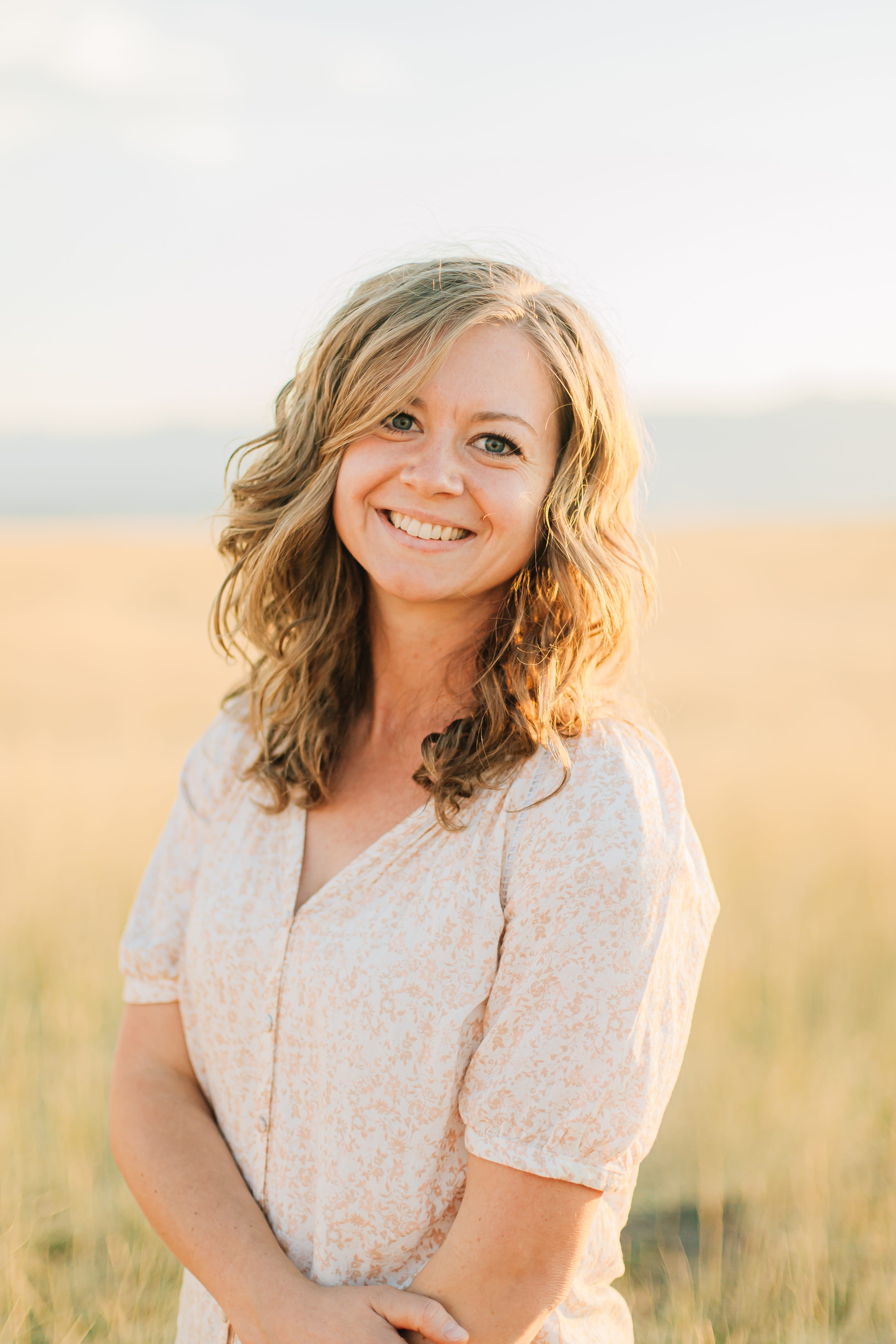
Jillian Scott
Jillian currently live in Kaysville, Utah. She is married and has three amazing children and loves being their mom. Jillian loves learning new things. She loves talking about deep and meaningful subjects with others, and learning things from their perspective. Jillian loves nature, and finds that there are so many valuable lessons to learn there and from all creation.
Shanna Davis
Midlife wanderer finding joy in looking back, living in the present, and dreaming forward. Proud mama of 3 amazing humans who inspire me even when they call me out (why did I teach them that?) Lucky friend of beautiful souls, convinced the Divine sent them to me. Woman who is getting to know a new version of herself or was it always there and it simply wasn’t time to discover?
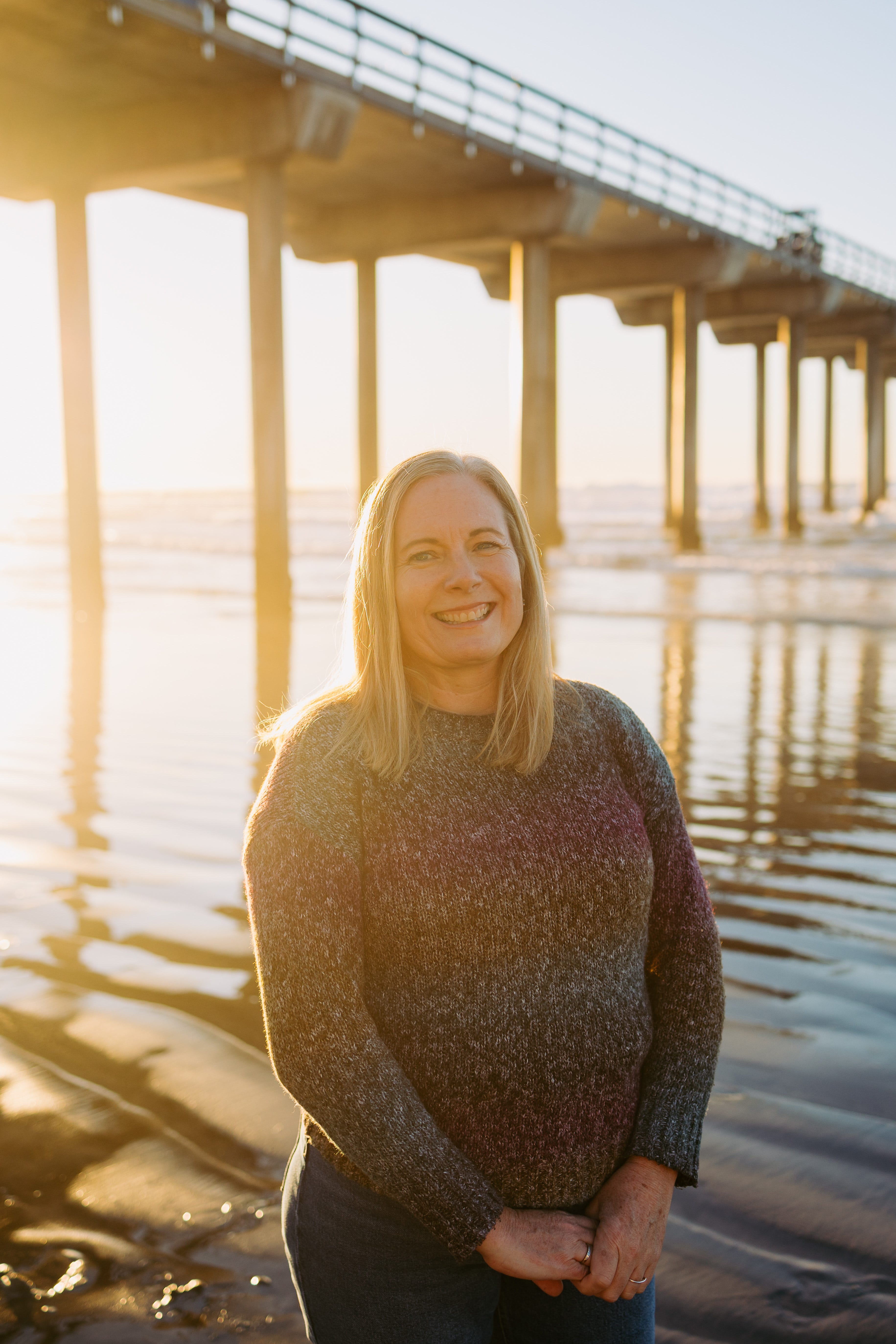
Joleene Watabe
Joleene is known for her warmth, steadiness, and ability to hold space for difficult emotions. Her life has taught her the power of presence, empathy, and making space for both pain and hope. She values family, authenticity, and the quiet work of healing.
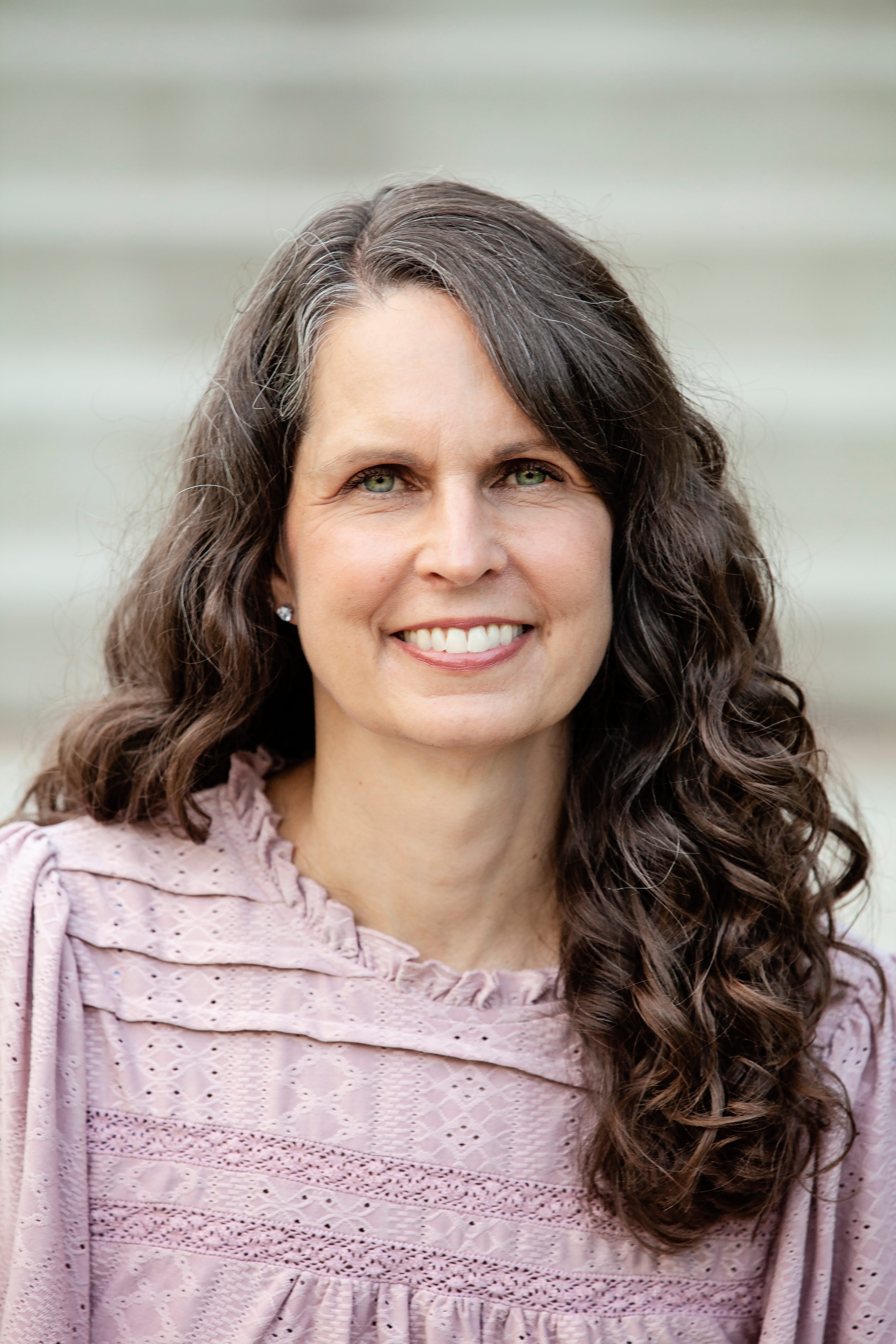
Stephenie Glissmeyer
Stephenie is a middle-aged woman with lots of dreams that are finally come to fruition, even though she wasn't expecting them to happen in a body this old. She's a nurse, a teacher, a wife, and mother of six kids ages 14 to 30. She loves her job, yoga, hiking, paddleboarding, reading, and writing on Substack Stephenie G.
The ALSSI community keeps growing, thanks to your support. Please keep spreading the word! Be sure to check out our chat feature—it’s another benefit of your paid subscription. If you have something to say, send us a voicemail, start a thread…or send us a piece for a future Say More!
I've been pondering lately why it is that nearly all of the poignant, nuanced, and spiritual insights that resonate deeply with me are from women in and out of the Church. Here are four more wonderful examples of that. Why is it that I feel men (and leadership) are more on or off, black or white, correct or wrong, righteous or evil? Elder Uchtdorf is my one shining light over the past 15 years because he seems to know and understand that there is value and growth in the in-between. I enjoyed all of these, and look forward each week to what is written here.
This issue of SM: ALSWI is such a gem, offering wonderful insights and perspectives. Many thanks to the contributors who have shared their prodigious talents with us all.