


by Cynthia Winward
Last fall two seemingly innocuous events occurred in my life.
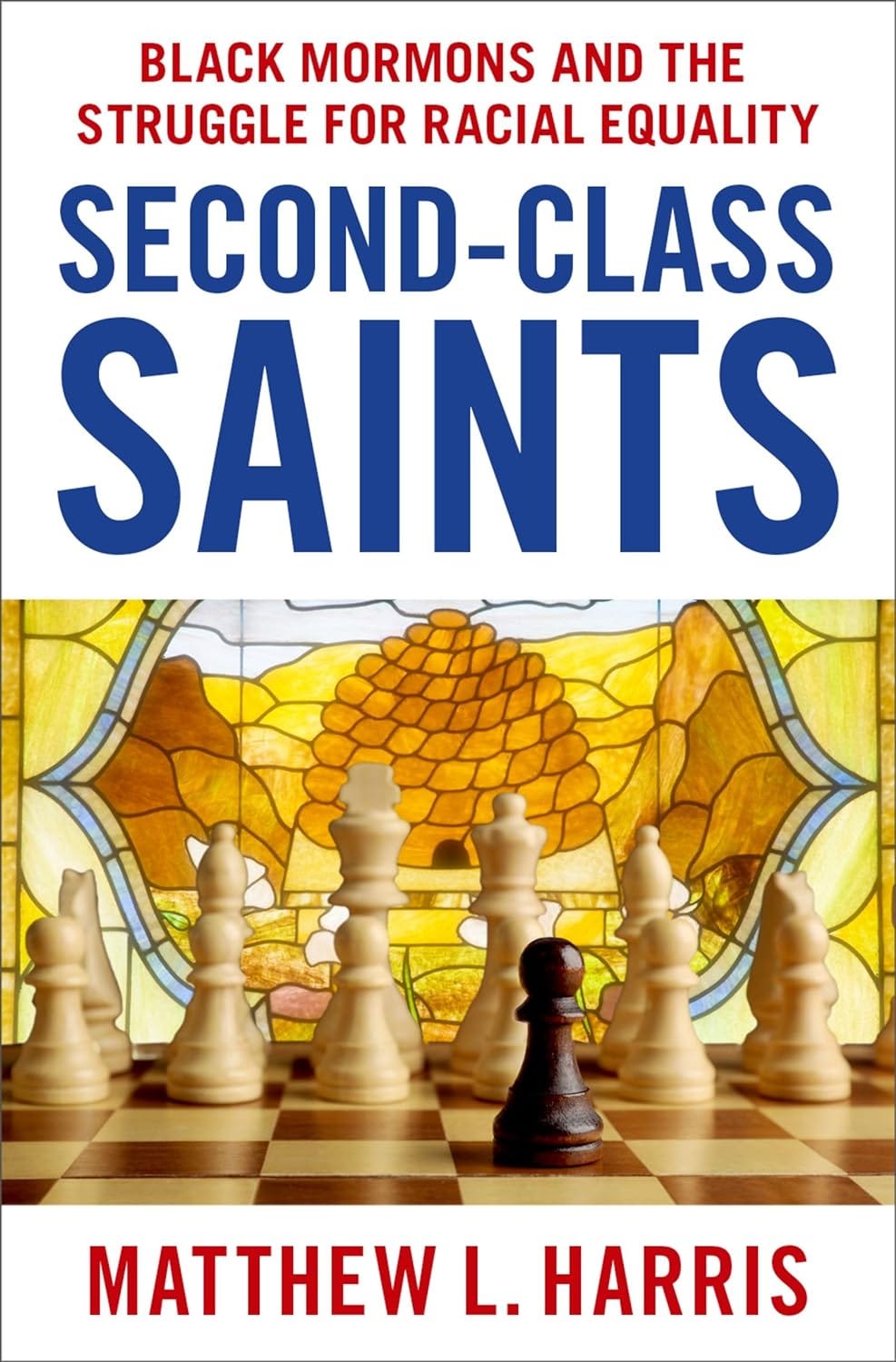
The first was having my own DNA tested. The second was reading Second-Class Saints: Black Mormons and the Struggle for Racial Equality by Matthew Harris. The entire priesthood and temple ban on those with African ancestry is a horrific part of Mormonism. To read in such detail about the racist teachings and policies crafted by LDS church leaders was enlightening and saddening, such as Brigham Young saying that any man who mingles with the ‘seed of Cain’ is “to come forward & have his head cut off & spill his Blood upon the ground”.1 Yikes!
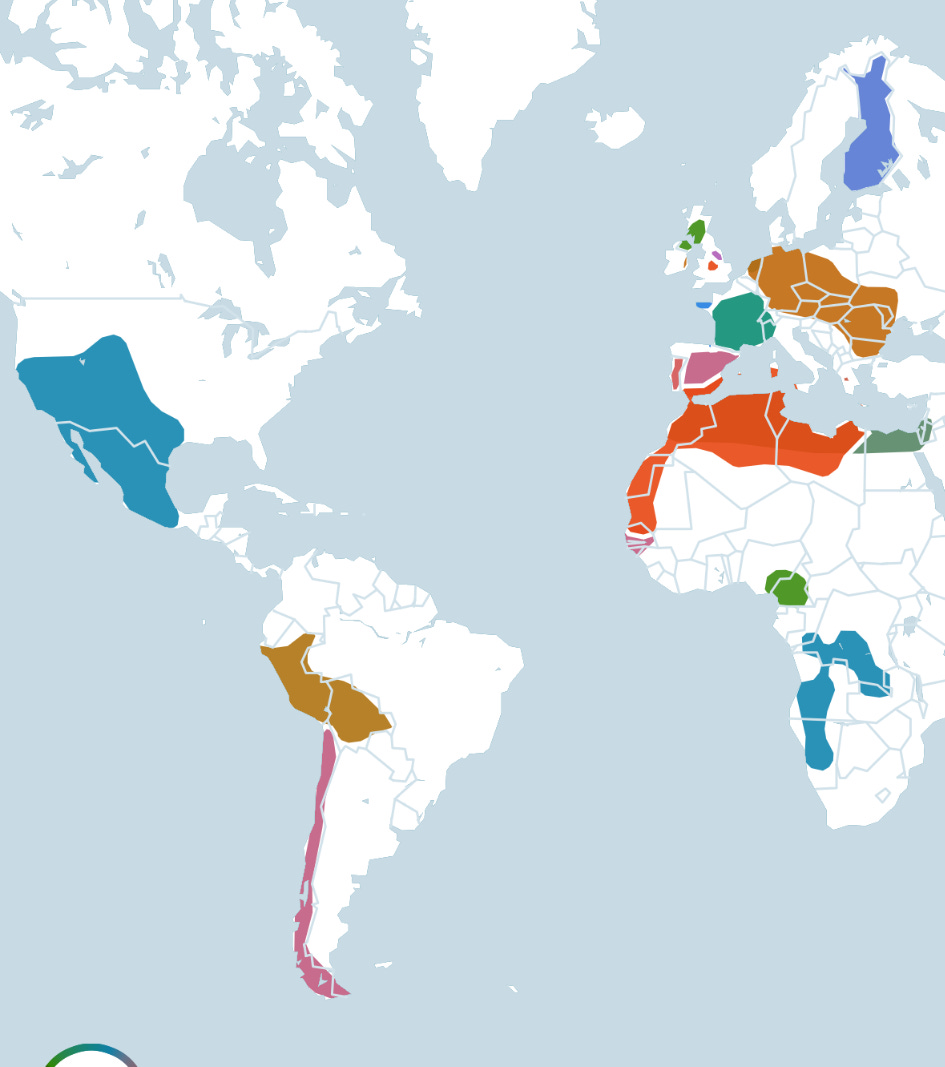
One of those shocking bits of history talked about at great length in the book is the “one-drop rule.” The “one-drop rule” stipulated that any person with even a ‘drop’ of African blood was considered ‘negro’ and thus ineligible for priesthood ordination (if male) and temple rites (if female). I had known about the ‘one-drop rule’ before reading the book, but reading all the awful details about it broke my heart in ways I hadn’t expected.
While knee-deep in Second-Class Saints, I was thrilled to get my DNA results. I texted my kids the above graphic and said, “Look at me, I am a product of humanity!” I was so proud to learn that I am 20% Indigenous Mexican. (Thanks Mom!) I was equally proud to learn I was 26% Celtic/Gaelic (Thanks Dad!) Smaller parts of my DNA showed me to also be Spanish, Portuguese, Jewish, and African—4% African to be exact. Love it…thanks Mom!
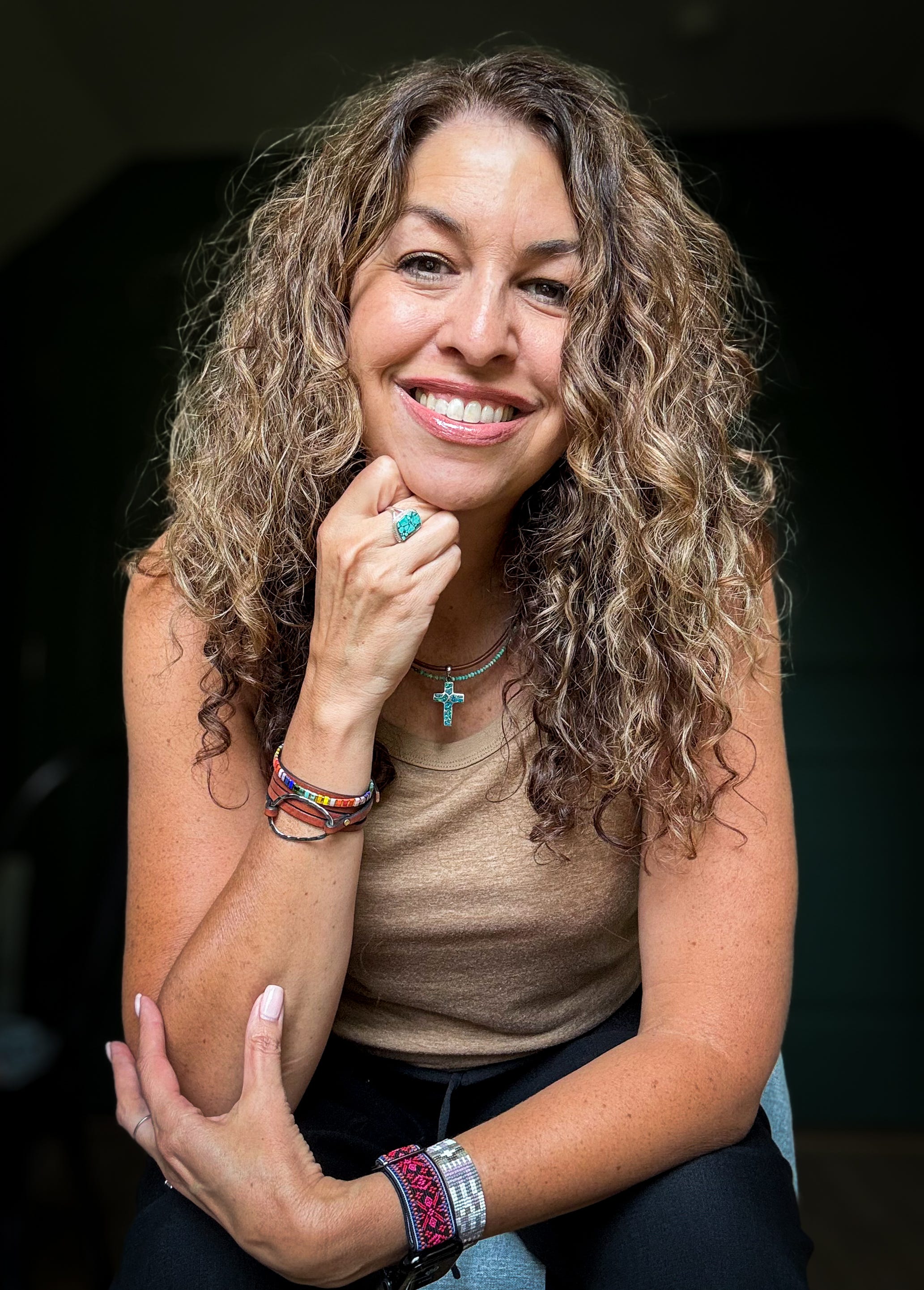
Today, as I look at my DNA results and my family photos, I am struck by the irony that the very thing the prophets and apostles once feared—the ‘mingling of races’—is exactly what makes me, well, me.
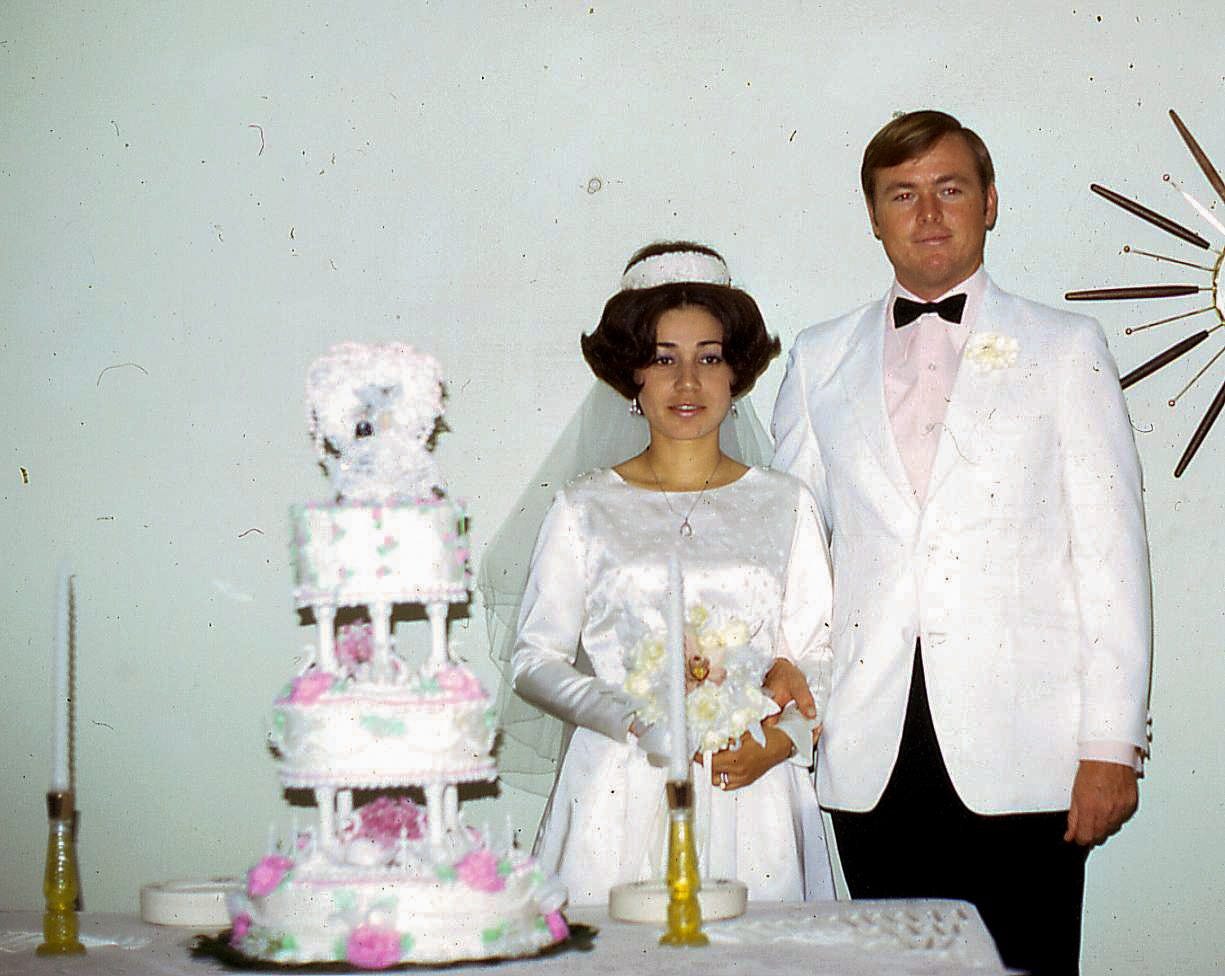
Knowing that I had ‘four drops’ of African blood, I realized that my own parents’ temple marriage was against Church policy as my parents were married in 1971, seven years before the priesthood and temple ban ended.
Harris writes:
“But there was another fundamental flaw with the one-drop rule…you couldn’t tell whether someone had African ancestry simply by looking at them. In the nineteenth century, when Brigham Young and other Mormon leaders defined a “negro” as anyone having one drop of African lineage, there were no reliable ways to identify bloodlines. DNA tracing through the Human Genome Project was decades in the future, which made determining lineage imprecise and often wrong. All of this is to say that the one-drop rule underscored a brutal reality that neither Mormon leaders nor Americans in general could grasp. The racial boundaries they sought to enforce were built on fiction.”2
I had ‘four drops’ because my mother had ‘eight drops.’ Obviously my parents were married before DNA tests, but it left me wondering, would The Church of Jesus Christ of Latter-day Saints have scrapped the ‘one-drop rule’ had DNA tests been a possibility? Or would they have leaned harder into the rule had science made it easier to discriminate? So many questions!
Obviously my parents were married before DNA tests, but it left me wondering, would The Church of Jesus Christ of Latter-day Saints have scrapped the ‘one-drop rule’ had DNA tests been a possibility?
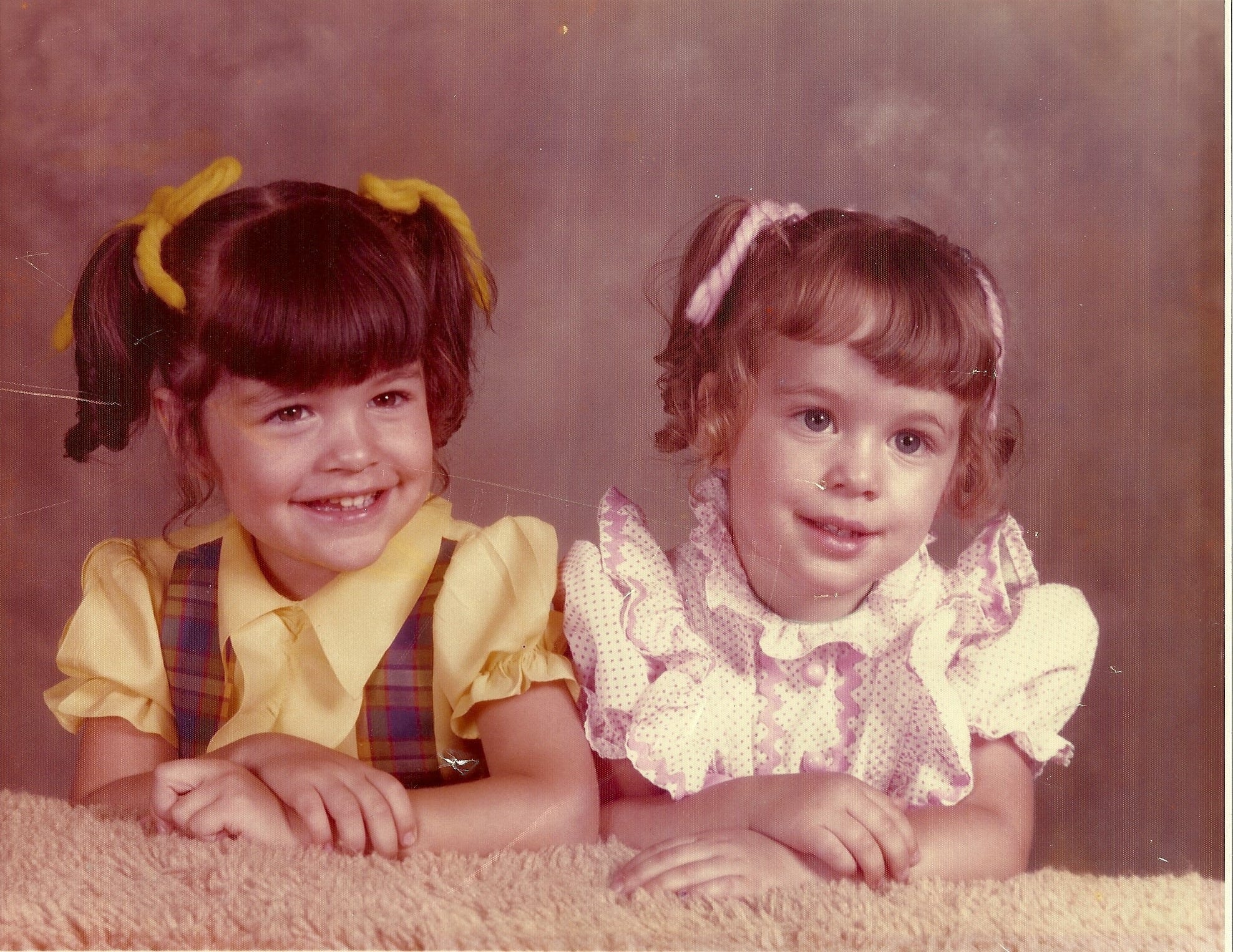
At the time, some people (mainly in South Africa and Brazil) were required by the Church to trace their genealogy to prove they had no African ancestry. Or worse, some potential converts were assessed by a white missionary or other white church leader just by looking at them to see how dark they were. I have curly brown hair, brown eyes, and olive skin. But one of my sisters—sharing all the same DNA as my parents—has blonde hair, blue eyes, and light skin. I truly can’t imagine the humiliation of some white man staring at any of us to decide if we ‘pass’ as white.
Harris documents loads of stories about LDS members discovering they had African ancestry, but who ‘passed’ as white. Some looked like me, some like my sister. Sometimes church leaders looked the other way when they knew someone had African ancestry and sometimes they didn’t. Harris writes–
Over the years, [Church leaders] fielded numerous queries from Latter-day Saints who looked White but were classified as Black by the church….These sensitive cases always frustrated the Brethren because the individuals in question wanted to serve missions, marry in the temple, and hold the priesthood, but the church’s restrictive racial boundary made this difficult. The simplest answer was to get rid of the one-drop rule and cut through the bureaucratic gauze that prohibited full church participation. But the Brethren couldn’t see themselves changing decades of tradition. On at least three occasions in their council meetings the apostles discussed—and reaffirmed—that they would keep the one-drop rule.3
My mother and her family experienced plenty of racism as Mexican Latter-day Saints even though they were not required to prove their lineage upon baptism. In Mexico my family was specifically told by the missionaries that they were ‘Lamanite’, a group of people written about in the Book of Mormon, but also a cursed people according to scripture.
One of my mother’s sisters, Herlinda Briones Bowen, served a mission shortly after her baptism in the 1960s in western Mexico. She writes in her memoir about numerous racist experiences, things she overheard while working in the mission home in Hermosillo, Sonora. The mission president’s wife was having a conversation with a young male missionary who had finished his service and was going to be heading home to Arizona—
“While I was sorting some papers, the missionary casually stands by the Mission President’s wife seated at her desk, engaging her in lighthearted conversation. This being the last day of his mission, all smiles and cheerful demeanor, she turns towards him inquiring about his plans after completing such an important milestone in his life. Without preamble, the missionary launches on his number one goal…he intends to marry Sister T., a recently released Mexican lady missionary!...My emotional radar in full alert by now, I managed to keep my eyes on my work; the discussion was none of my concern and the conversation being in English, further removed me from any involvement. [Not everyone in the mission home knew Herlinda understood English]. Her smiling face and cheerful demeanor gone; the Mission President’s wife’s tone of voice changes accordingly in a mean-spirited lecture about the “disadvantages” of marrying a Mexican!” 4
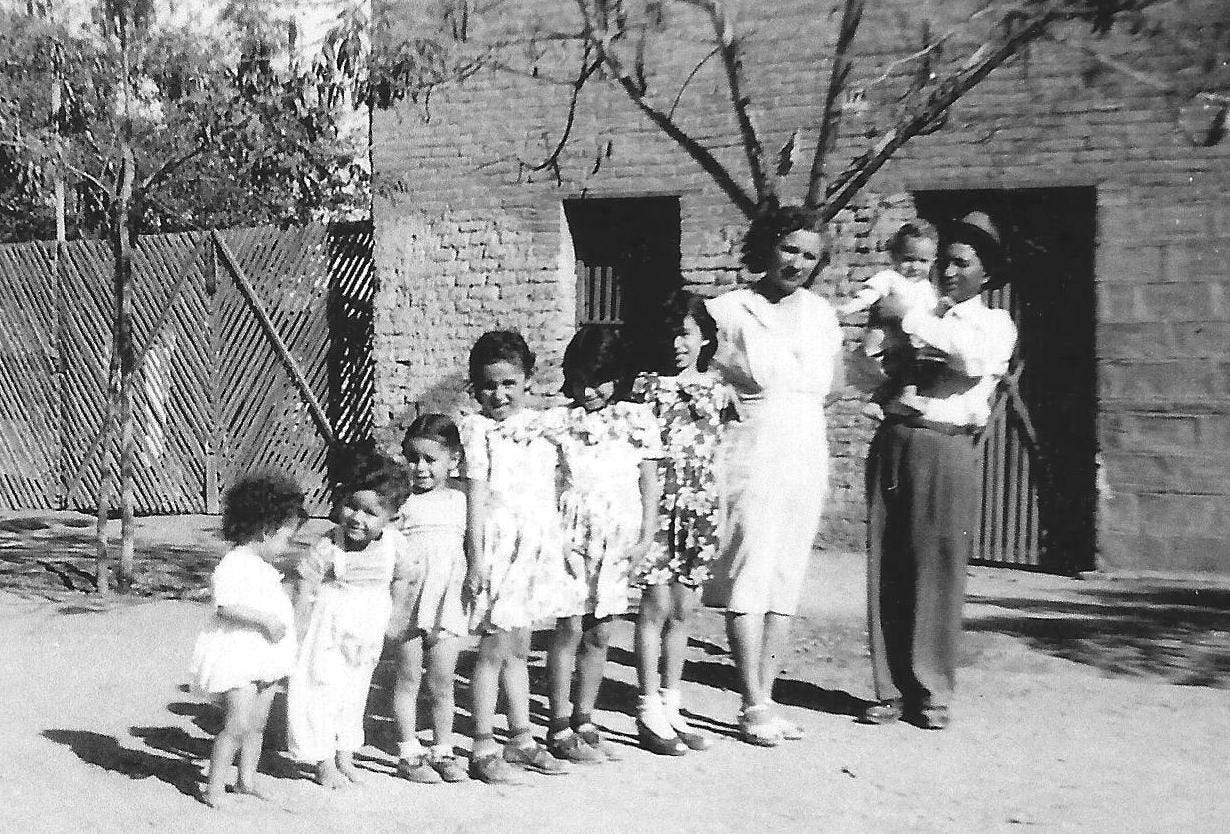
The above encounter doesn’t even surprise me. I’ve heard and seen plenty of racism from Latter-day Saints towards Mexicans (and other Latinos) my entire life. In fact, I probably have witnessed more than my fair share because as a ‘white presenting’ woman (with an English last name, first Harrington, now Winward) other white Latter-day Saints feel safe in expressing their racist thoughts to me. Never having been one to stay silent, I always call them out on their racist comments and then witness a lot of back-peddling.
One last story from my family. In the late 1970s my dad was a deputy sheriff for San Bernardino county in California. He had an opportunity to work for the sheriff’s office in Springville, Utah. Before uprooting our family, my dad had the wherewithal to ask his future employer what the racism was like towards Latinos in a small town. The man was honest with my father and told him the racism would be significant in Utah. My dad, not wanting to subject his wife, my mother, to much more racism than she already had to bear, turned down the job and raised our family in southern California.
I grew up in the safety of that choice, ‘passing’ as white while the Church’s complicated racial past hummed quietly in my DNA. The history of racism—official and cultural—is a dark stain on The Church of Jesus Christ of Latter-day Saints. It is a history that once relied on the fiction of racial purity to determine eternal blessings. Today, as I look at my DNA results and my family photos, I am struck by the irony that the very thing the prophets and apostles once feared—the ‘mingling of races’—is exactly what makes me, well, me.
The ‘bureaucratic gauze’ may be gone, but the social scars for so many still remain. Whether on this side of 1978 or the other, my ‘four drops’ of African blood never made me or my family second-class saints, but a beautiful product of humanity and a child of God.

Cynthia Winward
Second-Class Saints: Black Mormons and the Struggle for Racial Equality, by Matthew L. Harris, p. 5
Ibid, p. 8
Ibid, p. 38
Under the Shade of the Tamarind Tree, by Herlinda Briones Bowen, p. 257
The original policy is bad enough (and I'm sorry for the ways this has affected you personally!) but in my mind, even worse is the church allowing the original policy - still, after all these years - to be interpreted as God's will, and not to have apologized for it and stomped down hard on those who continue to talk about "less valiant in the pre-existence." I still hear that nonsense.
At age 62 I learned that one of my great grandmothers, an LDS convert in Nauvoo, had a Black father. Sarah Mode Hofhine lived her life as a white Mormon woman, got her temple endowments in Nauvoo, then came to Utah, leaving behind her Black family in Pennsylvania. I have often thought that if she had looked a little less white, and a little more Black, the whole trajectory of her progeny - including me - would likely not have been LDS.